Staying
Base first, accommodation second. A stay in Crete is a geographic decision before it is a hotel choice.
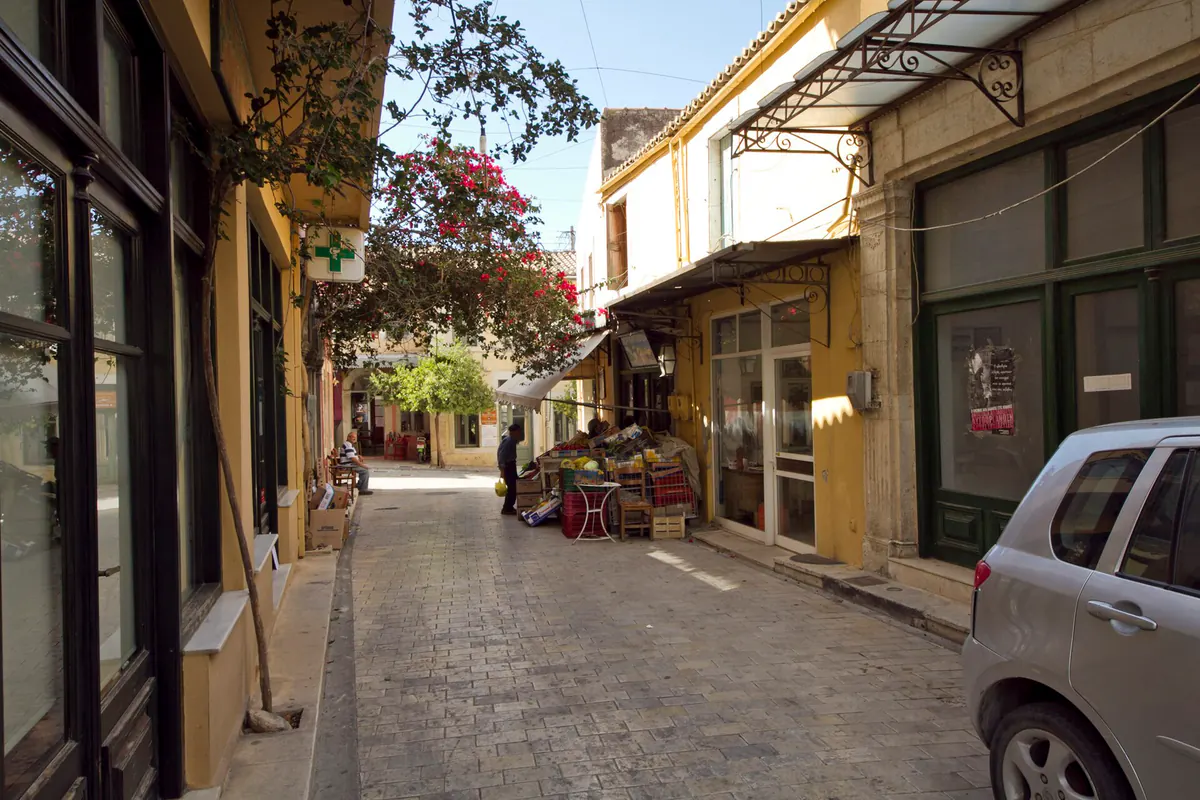
Staying well in Crete starts with not picking the hotel first. Crete is a long island — roughly 260 kilometers end to end, divided west-to-east into four regional units: Chania, Rethymno, Heraklion, and Lasithi. A beautiful room in the wrong one of them will put your trip on the wrong roads, with the wrong expectations about beaches, dinners, and distance. The decision that matters is not which property. It’s which base, and then which kind of place within it.
Two decisions, in order
Every stay in Crete is really two choices, and travelers routinely make the second one first. The base is the town or region you sleep in — it sets your driving radius, your morning options, and how much of the island is realistically within reach. The accommodation type is what you sleep in once the base is fixed. Get the order wrong and no thread count on earth will rescue the trip.
Fix the base first. A brilliant boutique room in the far west does not shorten the drive to Knossos or Lasithi; it only makes the long day feel like a waste of a good room. Decide where the trip needs to be centered, then choose the kind of place that suits how you actually travel, not how you travel in your head.
Base types
- Old-town base (Chania, Rethymno, Heraklion). Walkable evenings, restaurants and harbor on your doorstep, day-trips by car. Best when you want dinners without driving and don’t mind that the beach is a short drive away.
- Resort / bay base (Elounda and the Mirabello coast). The stay is part of the point: pool, sea, good service, a base you don’t need to leave every day. Best for slower trips and for travelers who came to settle, not to tour.
- Village / inland base (Archanes, the Apokoronas villages, the foothills). Quieter, cheaper, closer to real Cretan life, but you will drive for almost everything and want a car and confidence on narrow roads.
- South-coast base (Plakias, Loutro, the Libyan Sea towns). Beautiful, but a real commitment, and genuinely far from the northern airports and sights. A destination in itself, not a touring hub.
Accommodation types, once the base is set
- Old-town rooms and small hotels. Character over facilities; often no on-site parking, some stairs, some street noise. The trade you make for being able to walk to dinner.
- Beach resorts and all-inclusives. Predictable comfort and everything on site, usually outside the towns. The risk is spending a Cretan holiday inside a compound that could be anywhere.
- Agrotourism and restored village houses. The most distinctive stays on the island and often the best value, at the cost of needing a car and being twenty minutes from a beach.
- Apartments and villas. Space, a kitchen, and self-direction; best for families and longer stays, weakest for travelers who want to walk out into a town every night.
Who should book what
- First trip, one week, wants to see the highlights. A single central-to-western old-town base (Rethymno or Heraklion) with a car. It keeps Knossos, wine country, and the famous western beaches all within a day’s reach.
- Wants beauty and walkable evenings above all. Chania old town — but read the base guide first, because the pull of the harbor is exactly where lazy bookings go wrong.
- Came to rest, not to tour. A resort base on Mirabello Bay in the east. Accept that the west becomes a long day-trip or a second base.
- Two weeks or a return visitor. Two bases — typically one western or central and one eastern or southern — rather than one base and a great deal of driving.
- Traveling without a car. An old-town base on the northern coast, near the bus line. Village and south-coast bases become impractical; the car-free itinerary is the honest guide here.
Where the mistakes happen
- Booking the room before the region. The single most common error: falling for a property, then discovering the trip is now built around its location rather than the island’s.
- Underestimating distance. Crete is not a day-trip island end to end. From a western base, the far east is a committing drive on the north-coast road; the mountain and south roads are slower still. Treat cross-island days as their own plans.
- Basing far south or in a hill village without a car. These stays are only as good as your mobility. Without a car they isolate you.
- Assuming “near the airport” means near the good Crete. Proximity to Heraklion or Chania airport is a convenience for arrival day, not a reason to base there.
- Choosing an all-inclusive and then resenting it. If you booked full board, plan to use it and rest; if you wanted tavernas and towns every night, an all-inclusive works against you.
Where I won’t send you
There are stays I won’t recommend on principle, however good the property. A single base for two weeks that leaves you driving three hours a day is a scheduling mistake, not a stay. I’ve lived by calendars like that, and I wouldn’t wish one on anyone’s holiday. A far-south or deep-village base for a first-timer without a car is a trap dressed up as the real thing. And a resort compound chosen instead of a Cretan town, rather than alongside one, is a way to visit Crete without ever arriving.
This page links that base advice to the few stays I’ve chosen. It points first to the planning guide, then to accommodation entries I’ve written carefully enough to stand as Selection pieces. It won’t turn into a booking directory until the writing and the commercial work behind each entry actually exist.
Start here
Framework
Where to Stay in Crete
The base-selection guide: Chania, Rethymno, Heraklion, the east, the south coast, and what each choice costs.
Base guides
Places
Get your bearings before you book: where each base helps the trip and where it gets in the way.
West
Chania
The beautiful western base: the old town, the western beaches, and what it costs if you pick it without thinking.
Center
Heraklion
The practical base for Knossos, museums, food, wine country, and central movement.
Balance
Rethymno
The quieter in-between base: a manageable old town and a sensible spot on the map.
East
Elounda and Agios Nikolaos
Mirabello Bay, and when a resort base in Lasithi makes sense.
East
Domes of Elounda
One stay I have chosen, where space, service, and the view of Mirabello Bay make the case.
The right stay is not the most impressive property. It’s the one that lets the trip make sense.
Editorial note
I combine firsthand observation with research from public and official sources. I check practical details against the sources listed on each guide where they are available, and my recommendations stay independent of paid promotion. For how I approach planning and selection, see my editorial manifesto.
Written by Leo Novak.