The Guide 2026
My current-season gateway to Crete: where to begin, how to choose a base, and which places deserve a closer look.
This isn't a list of everything on Crete, an island in the south of Greece. It's this year's front door to my guide: a practical way in for travelers who would rather make a few good decisions than read about everything.
Use it before you start searching hotels or saving other people's itineraries: pick a base, understand the season, decide how much driving the trip can take, and then let the slower culture pages fill in the rest. My test for every page stays the same: be specific, leave things out, and give advice that still makes sense once you're actually there.
A few facts to anchor the plan
Opinions need a few hard numbers under them. Here are the ones that keep a plan honest and stop you from planning around a season that isn't there.
8,450 km²
Crete is the fifth-largest island in the Mediterranean, about 260 km end to end. Too big to see in a week, and small enough on the map that trying to is the usual mistake.Source: Wikipedia, checked 2026-07-06.
2 airports
Chania (CHQ) serves the west, Heraklion (HER) the center and east. Which one you fly into is the first real decision, not an afterthought.
~2 hours
Chania to Heraklion on the north-coast national road, roughly 145 km. Most quick driving on Crete happens on that one road; turn south into the mountains and the times stretch.Approximate; source: Casa Feliz Crete driving-times guide, checked 2026-07-06.
10 Apr – 31 Oct
The Samaria Gorge's official open season (daily from 7:00, with an early cut-off for the full walk). If walking the gorge is the point of your trip, that sets your dates for you.Source: NECCA's official ticketing system, read 2026-08-18. Exact dates shift with conditions, so confirm before you go.
5 km
Knossos sits just outside Heraklion, close enough that the island's best-known Minoan site is a short trip, not a full-day expedition, if you stay in the center.Source: rental-center-crete.com, checked 2026-07-06.
Late Apr – late Oct
The months when most direct European flights and seasonal tavernas, hotels, and boats actually run. Outside them, the island is quieter and half-shut.Typical; confirm current schedules before booking.
Start with decisions
Most Crete trips go wrong before the plane lands. The hotel gets picked from photos. The distances look short because the map is small. The famous beaches turn into homework. Then the holiday is spent fixing its own plan, like a work project with sunscreen.
So start with the decisions that hold the trip up: where to stay, when to go, how far to drive, whether a car helps or just needs parking, and which parts of the island get real time instead of a quick look. Next to those practical choices sit the slower pages on time, landscape, food, and the everyday habits that make Crete more than a string of stops.
Food works the same way. It's less a restaurant list than a way into the seasons, the home kitchen, the ingredients, and the places they come from. I learned this part slowly, at my in-laws' table. Start with the food guide, then use how to eat in Crete and the Cretan herbs guide to understand what the table is actually built from.
Where to Stay in Crete
How to choose between Chania, Rethymno, Heraklion, Elounda, and the south coast.
Places
The base towns: Chania, Rethymno, Heraklion, and the east, and what each one is good for.
Living Here
A cultural guide to time, landscape, food, and how an ordinary day works on the island.
How to Eat in Crete
Meals, sharing, pace, and how a Cretan table works, without turning it into a checklist.
Food in Crete
The food hub: the table, ingredients, wine, beer, herbs, and a few places, and how they fit together.
Cretan Herbs
Dittany, malotira, marjoram, stamnagathi, sage, and thyme sorted by botanical status and cultural use.
Chania
The lovely old town in the west, and what it costs you as a base.
Heraklion
Archaeology, food, the airport and the ferries, and easy reach across the middle of the island.
Rethymno
The quieter middle option: a handsome old town with both ends of the island in reach.
Elounda and Agios Nikolaos
Calm water on Mirabello Bay, resort hotels, and when the east should be the whole trip.
Best Time to Visit
Seasons, heat, Easter, autumn, and the months when Crete is fully open.
Crete in April
Spring before the crowds: Easter, flowers, villages, places reopening, and a cool sea.
Crete in May
Spring weather, flowers, walking, places reopening, and why early-season beach days need a backup.
Crete in June
Weather, beaches, crowds, and how to enjoy early summer without cramming it.
Crete in July
High-summer heat, crowds, beaches, and why early starts are what make July work.
Crete in August
The busiest month: warm sea, Greek holidays, parking, shade, and shorter days out.
Crete in September
Warm sea, thinner crowds, and realistic late-summer planning.
Crete in October
Late-season warmth, the olive groves, quieter towns, and plans that can bend.
Crete in November
Late-autumn towns, the olive harvest, closures, rain, and off-season plans with a backup.
Crete Without a Car
Buses, where to base, and what a car-free trip can and can't reach.
Car Rental in Crete
When a car earns its keep, when it just sits in a parking lot, and how many days to rent.
Best Beaches in Crete
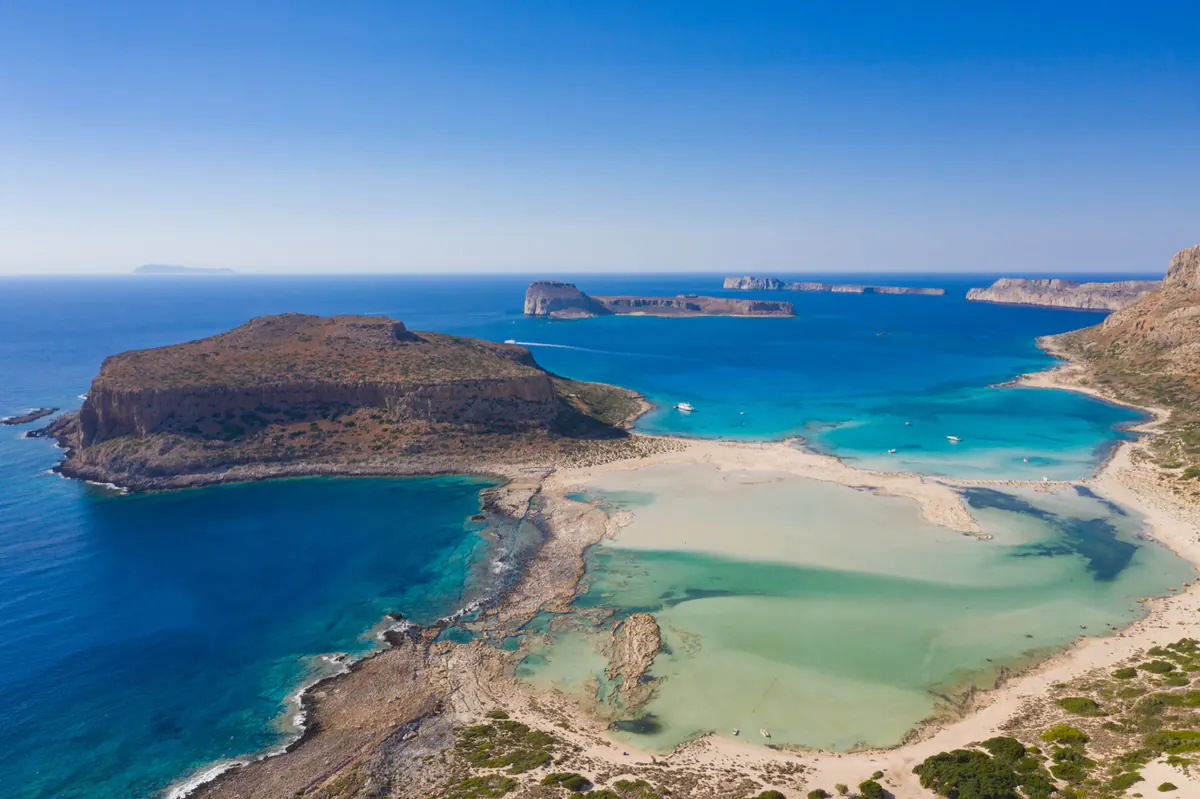
Balos, Elafonissi, Vai, and how to pick beaches without spending the trip in the car.
Chania or Heraklion
The base choice that most first trips hinge on.
Crete 7 Day Itinerary
A first week built around fewer places, seen properly.
Why Distance Is Deceptive
Roads, mountains, weather, and why the map fools first-time visitors.
Current selection
This is a short list, not a survey. A place is here because it shows you something about Crete: a landscape, a kitchen, a way of looking after guests, or a building still used the way it always was. If a place is missing, that isn't a verdict. Being here simply means it earned my attention.
For the restaurant entries, I'd read about the place only after the wider table makes sense. The food guide and ingredients guide explain the basics first, so no single kitchen has to stand for the whole island.
Domes of Elounda
StayRoom to spread out, a calm beach, and a long view over Mirabello Bay.
Peskesi
TableTraditional Cretan cooking in Heraklion, done with care and done the same way every time.
Knossos
SiteThe main Minoan site, best seen with a plan, not as a show.
Samaria Gorge
LandscapeA long walk down through the White Mountains, and a full day's commitment.
Season note
2026 is a busy season, so being useful matters more than being complete. This page will keep pointing you to the decisions that actually change the trip: base, driving, timing, beaches, car rental, food, and a first week that doesn't turn Crete into a rushed checklist.
It will stay one person's view. This isn't a crowd of opinions; it's one foreigner's guide, and choosing what to leave out is most of the work.
Editorial note
I combine firsthand observation with research from public and official sources. I check practical details against the sources listed on each guide where they are available, and my recommendations stay independent of paid promotion. For how I approach planning and selection, see my editorial manifesto.
Written by Leo Novak.
The Guide 2026
My guide for this year: where to go, how to get around, and what’s worth knowing before you do.
Explore the guide