Culture
Cretan culture is not performance—it is practice. From the geography that shapes character to the establishments that preserve tradition, from the editorial principles of this guide to the biology of the land, this section explores how Crete understands itself.
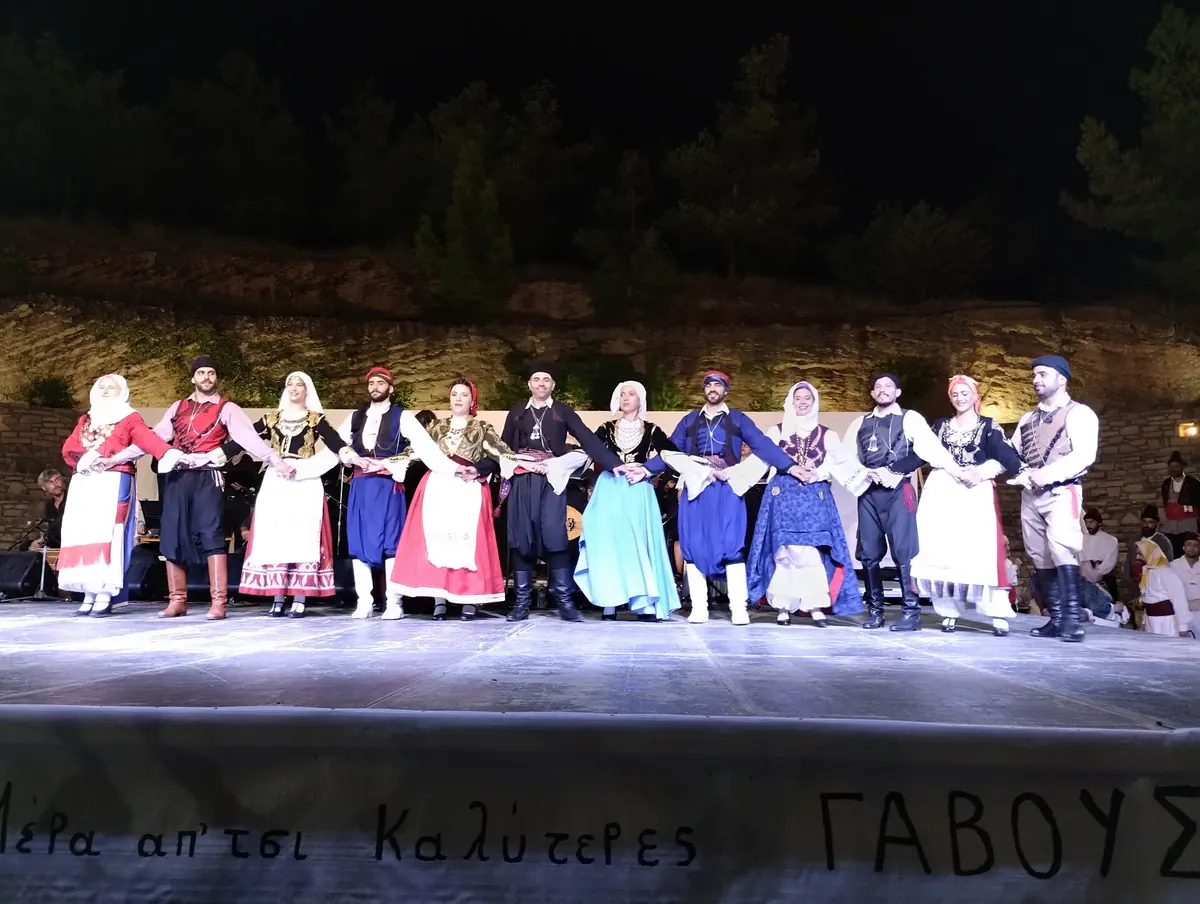
The easiest way into Cretan culture is through three doors: the villages, establishments, and the historical periods beneath the present. Knowing where to look is only half of it, so here is what I'd actually go looking for, and where.
If you want the music that is still alive
Cretan music is not folklore staged for visitors; it is a working tradition. The lead instrument is the pear-shaped lyra, bowed on the knee and paired with the laouto (a long-necked lute); in the far east and west you will often hear violin in the lyra's place. The words that matter are the mantinades, fifteen-syllable rhyming couplets that a good singer improvises on the spot. To hear this played rather than performed, go where locals go: a village saint's-day festival (panigyri), or a kentro where people dance for themselves late into the night. Summer is when the calendar of village festivals fills up. Ask at your taverna which village has one that week instead of hunting for a ticketed show. Think of it as the team offsite done right: no slides, no name tags, and it ends when the music does.
If you want the culture on a plate
The most honest cultural artifact on Crete is a home cook's table. I learned the island at one, my in-laws', and no book (mine included) has taught me more. Look for what is local, seasonal, and specific rather than the pan-Greek menu: wild greens (horta) in the cooler months, snails after the rains, cheeses that change by village, and raki poured as a rule of hospitality rather than a bar order. Start with how to eat here and the ingredients that define the island's cooking.
If you want the culture in stone
Crete wears its history in layers, and each layer reads best in a different place. For the Orthodox and resistance strand, a working monastery such as Arkadi carries more meaning than any museum case. For the deeper past, read the periods beneath the present before you visit a site, so the ruins mean something when you stand in them. And for the culture that has no monument at all, the daily rhythm of the interior, the villages are the exhibit.