Living Here
Essays on how life works in Crete—time, landscape, food, and the habits that hold communities together. These are not travel tips; they are attempts to describe what is actually experienced when one slows down.
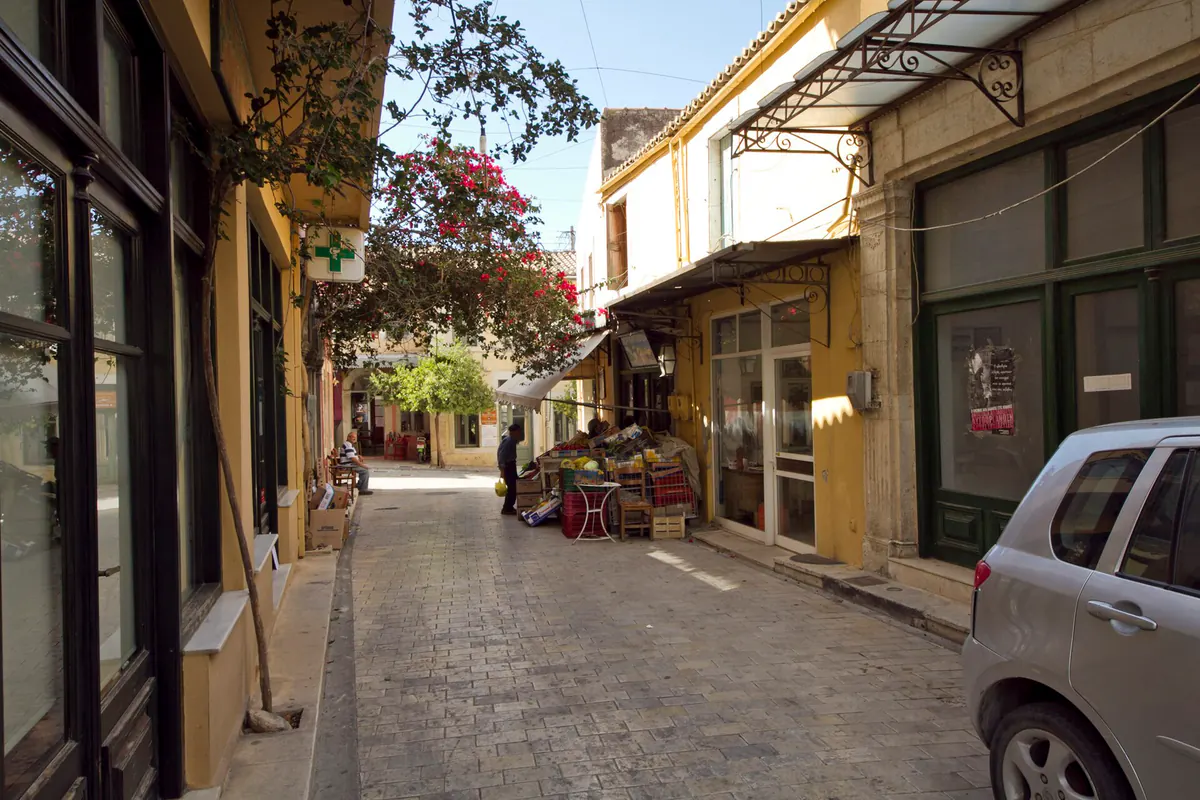
This section is about everyday life on Crete and the local habits a visitor can learn from. It doesn't mean pretending to belong. It means noticing what makes a trip work: the quiet afternoon, distances that don't match the map, food that follows the season and the home kitchen, and the everyday habits that decide whether a plan feels easy or forced. I'm the foreigner at my in-laws' table, and that's the spirit here: pay attention, don't pretend.
It's for the slower questions: why distance feels different on the island, why a meal takes the shape it does, why the land and the daily routine can't be pulled apart. It helps with planning, but it isn't a checklist; it's what sits underneath the itinerary. I used to live by checklists, color-coded ones, so I find that a relief.
If you're planning a first trip, start with how time works, then read the landscape essay before you cram too many drives into one day. If food is your way in, pair this section with the ingredient guide, the food hub, and the table manners in how to eat in Crete.
For this season's planning, keep this section open next to the Guide 2026. The itinerary pages help you decide where to sleep and how far to drive; these essays explain why those choices feel different once you're on island time.
What this changes on the ground
Seen this way, it comes down to three things most visitor guides get backwards. Each one changes a decision you'd otherwise make on autopilot:
- The quiet afternoon is the point, not a problem to work around. When family-run shops, bakeries, and village kitchens close through the hottest hours and reopen toward evening, the day is working exactly as it should. The mistake is cramming errands into the gap instead of letting it go. Fill the morning and the hours after about 18:00, and keep the middle of the day for the coast or a shady drive; the time essay goes through the exact shape of that gap.
- Map distance means very little on Crete; the terrain is what counts. Mountains and gorges turn a short line on the map into a long drive full of switchbacks, and the more useful question isn't how far a place is but whether it's open at all that season: several of the best landscapes close for part of the year. The landscape essay doubles as a guide to which ones you can actually reach, and when.
- The menu follows the calendar, so ordering well starts with knowing what month it is. Markets and taverna specials follow the season instead of a fixed list, so the safe bet is whatever the kitchen just brought in, not a dish you read about online. The food essay pairs a produce calendar with a short list of everyday things worth looking for.
Planning
The Guide 2026
Start here for this season: where to stay, when to go, how to get around, and what to see.
Rhythm
How time works
The pace that makes or breaks a plan.
Land
Landscape, herbs & biology
Endemic plants, cultivated herbs, and olive ecology.
Herbs
Cretan herbs
Plants found only on Crete, local species, kitchen herbs, and careful notes on traditional uses.
Table
Food as system
How eating ties together the land, the seasons, and the people at the table.
Meal
How to eat in Crete
The pace, the manners, and the unwritten rules of the table.
Season
Best time to visit
Spring, high summer, autumn, Easter, and how the island changes by month.