Base guide
Chania
Chania is Crete’s easiest first love: a Venetian harbor, an old town built in layers, the whole west within reach, and enough beauty to hide the cost of choosing it without thinking. I understand the pull completely; I just want you to choose it on purpose.
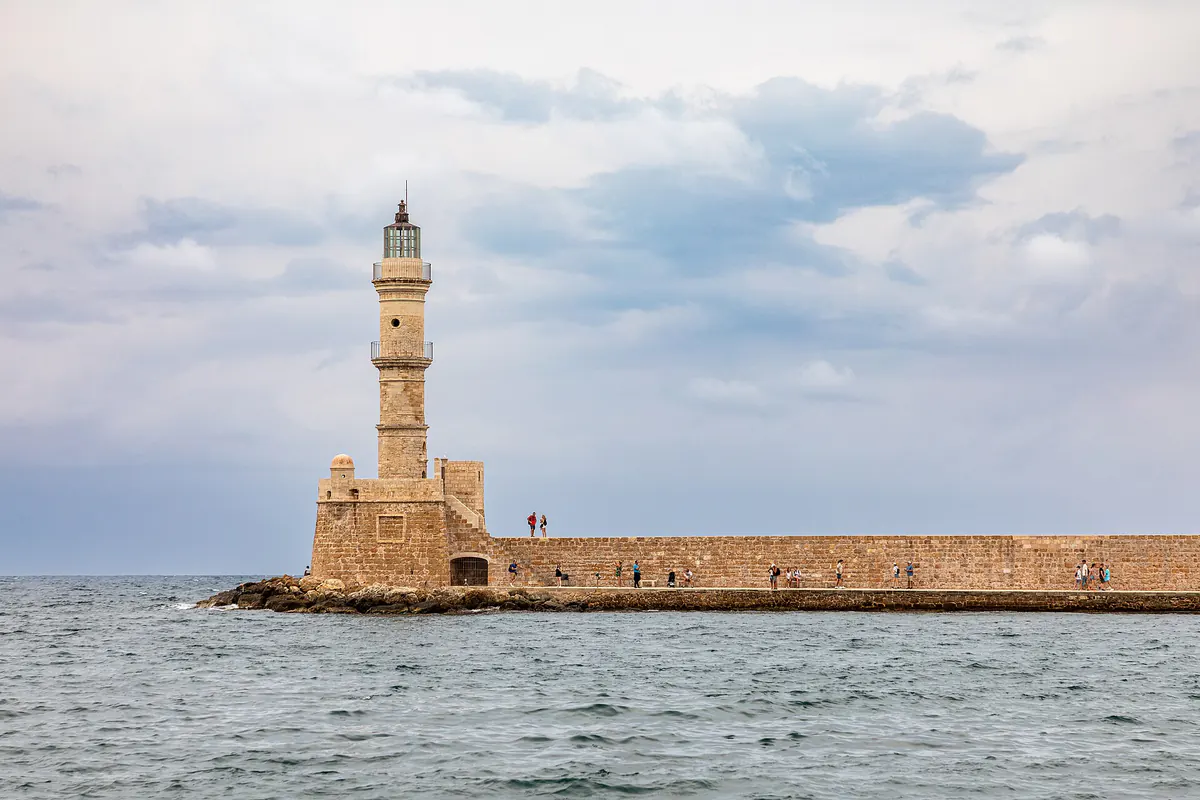
What Chania is
Chania is the old western capital of Crete and the island’s most instantly appealing town to stay in. Venetian, Ottoman, and modern Greek buildings sit close together around the harbor and the back streets, so the town makes sense on foot long before the rest of the island does.
It’s more than a pretty old town. Chania is also the hub for much of western Crete: Akrotiri, the White Mountains, Samaria, Balos, Elafonissi, Falasarna, and the villages behind the postcard coast.
Why it matters
On a first visit, Chania gives you a proper arrival. It shows you why people fall for Crete before it asks you to understand how demanding the island can be. Restaurants, harbor walks, small hotels, beaches, and day trips sit close enough together that the first days run smoothly.
The weakness is pressure. In high season, everyone wants a piece of Chania. The old town can get crowded, expensive, and awkward to move around, and the famous western beaches turn into expeditions rather than easy outings: early alarms, timetables, and a plan for the way back.
How to use it
Choose Chania when the heart of your trip is the west: old-town atmosphere, harbor evenings, western beaches, one big mountain or gorge day, and enough food and walking that you don’t need to move every day.
What I tell friends: don’t use Chania as a base for all of Crete. Heraklion, Lasithi, and the east aren’t nearby in any reasonable sense. If you want Knossos, wine country, Spinalonga, or the eastern coast, add a second base or let them go without regret.
Drill down
Nearby decisions
Questions travelers ask
Is Chania a good base for first-time visitors?
Yes, and for many trips I'd call it the best one: a walkable Venetian old town and the best access to the west, with Balos, Elafonissi, Falasarna, and Samaria all in day-trip range. The tradeoff is distance from Knossos and the island's center.
Do you need a car when staying in Chania?
Not for the town itself, which I'd always do on foot. Buses cover Rethymno and several western beaches; a car earns its keep on the wilder west coast and for stringing rural days together.
Which airport should I fly into for Chania?
Chania's own airport (CHQ), a short transfer from the old town. Heraklion is roughly two and a half hours east by road, so landing there costs you an afternoon.
How many nights does Chania deserve?
I'd give it three to four: enough for the old town at walking pace plus two western day trips. Any shorter and you're choosing between the town and the west's landscapes.
Tickets & tours
Chania is the launch point for the west — Balos, Elafonissi, Samaria; boat trips and guided day tours can be booked in advance through GetYourGuide.
See Chania day trips →Some links here earn me a commission when you book through them, at no extra cost to you. They point only where I’d already send you. See my ethics page.
Editorial note
I combine firsthand observation with research from public and official sources. I check practical details against the sources listed on each guide where they are available, and my recommendations stay independent of paid promotion. For how I approach planning and selection, see my editorial manifesto.
Written by Leo Novak.
Related reads
The Guide 2026
My guide for this year: where to go, how to get around, and what’s worth knowing before you do.
Explore the guide