Skip to content

    Lasithi Prefecture

    Vai Beach

    What it is

    Vai is more than a beach name. It is the point where a managed sandy bay meets the protected palm habitat that gives northeast Crete one of its most recognizable landscapes. The first view can be busy in summer: parked cars, umbrellas, beach service, and people arriving after a long drive.

    Why it matters

    The reason to come is still real. Behind the sand, Phoenix theophrasti palms gather in a valley protected as part of Natura 2000 site GR4320006. This is rare habitat under heavy visitor pressure, and the compromise between beach access and forest protection is part of the place.
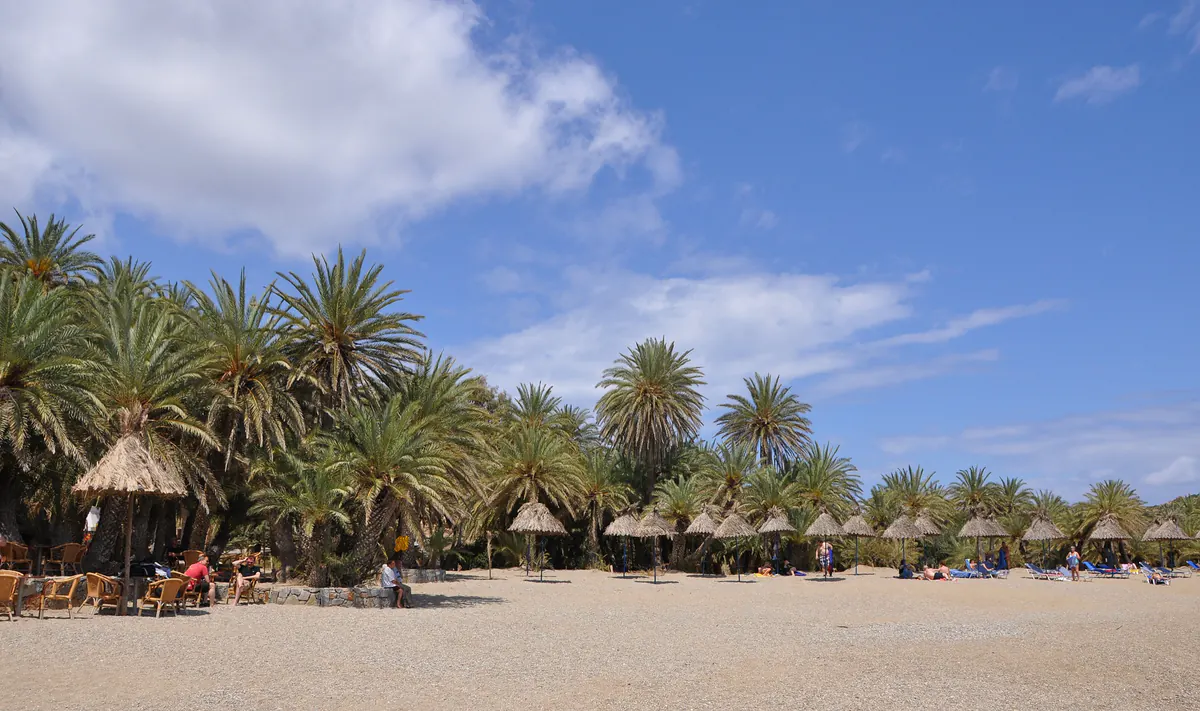
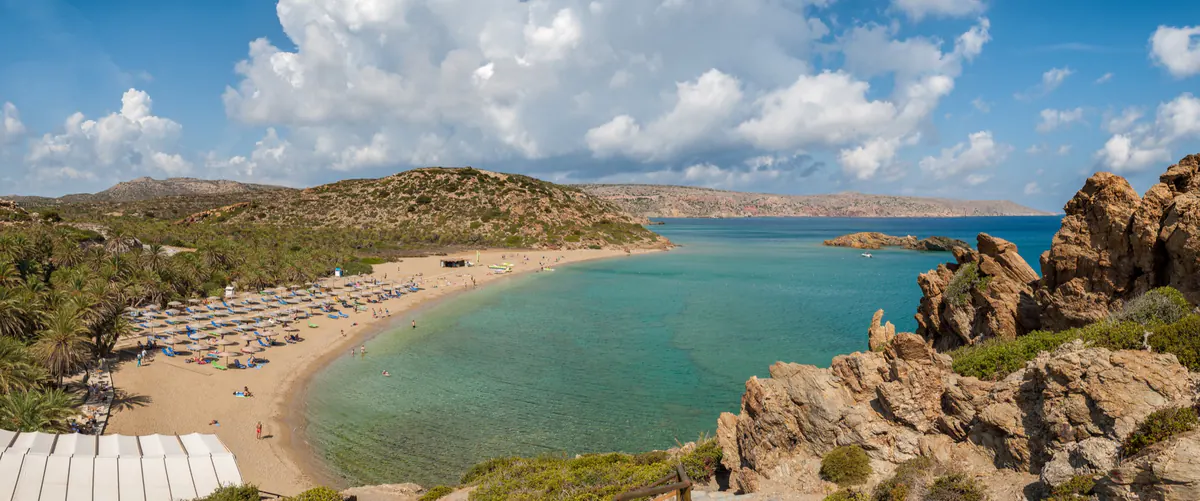
    Vai Beach with Phoenix theophrasti palms behind the sandy bay
    Panorama of Vai Beach and its protected palm-backed bay in eastern Crete
    Vai's managed beach sits at the edge of the protected Phoenix theophrasti palm grove. Photos: Marc Ryckaert / MJJR, CC BY 3.0, and Meho29 / Mihael Grmek, CC BY-SA 4.0, via Wikimedia Commons.

    What to understand before going

    Read Vai as a protected landscape with a beach attached. The beach is the easy layer: sand, clear water, seasonal facilities, and enough organization to make a swim simple. The palm grove is the serious layer, where the visitor experience depends on respecting paths, fencing, and restoration boundaries.

    The coast around it is the third layer. A headland gives the best sense of the bay, while Psili Ammos and the Itanos coast explain why this corner of Crete feels drier, sharper, and more exposed than the resort coast farther west.

    What stays with you

    What stays is the edge where beach convenience meets protected habitat: palms close behind the sand, dry eastern light, and the knowledge that the forest is the reason the place matters.

    How To Visit

    Use Sitia or Palaikastro as the sensible base. From Sitia, the road east makes Vai a deliberate half-day. From Agios Nikolaos or Heraklion, the drive is much longer and should start early. From Chania or Rethymno, Vai is too far for a clean beach day.

    Public transport is possible only with care. Visit Sitia notes summer bus access to the Vai Palm Forest, while KTEL Heraklio-Lasithi remains the official operator to check for the current timetable. Treat the bus as seasonal and schedule-dependent.

    Hours, Fees, And Limits

    Vai has no stable museum-style opening-hours or ticket frame for the beach itself. The practical costs are seasonal beach costs: parking, umbrellas, sunbeds, toilets, and managed services operating that year.

    The palm forest is the fixed boundary. Stay on permitted routes, keep out of fenced or restoration areas, and treat the grove as protected habitat rather than shade to occupy.

    When To Go

    May, June, September, and early October are the best months for most travelers. The sea is usable or nearly usable, the road is easier, and the palm grove can be seen without the full pressure of high summer.

    July and August still work if Vai is a priority, but arrive early and expect the managed beach to shape the day. In winter and early spring, Vai is better understood as a Sitia landscape stop than as a facilities-backed beach outing.

    Practical Questions

    Do you need a car for Vai Beach?

    A car is the practical default unless the current summer bus timetable fits your day. From Sitia or Palaikastro, the drive is manageable; from western Crete, it dominates the visit.

    When is Vai Beach best?

    Late spring and early autumn usually give the best balance of swim value, road comfort, and lower crowd pressure. August requires an early start and little improvisation.

    Is the Vai palm forest protected?

    Yes. The palm habitat is Phoenix theophrasti and sits within Natura 2000 site GR4320006, so the forest edge should be read as a protected habitat boundary.

    Editorial note

    This public landscape entry uses EKBY's LIFE Vai page, Visit Sitia, KTEL, Sitia Geopark, UNESCO Sites in Crete, and Commons image source checks. Seasonal services, parking charges, and bus times should be verified again before travel.

    Written by Kostis Kornaros.

    Sources and Current Checks