Skip to content

    Chania Prefecture

    Elafonissi Beach

    What it is

    Elafonissi is a shallow lagoon and beach system on Crete's southwest edge, facing the low Elafonisi islet. The pink color appears in streaks and pockets, while the reliable draw is the whole setting: pale sand, clear shallows, a wind-exposed horizon, and the feeling of crossing between beach and islet when conditions allow. NECCA lists the wider islet and coastal zone as the Natura 2000 protected area GR4340002, covering 271.75 ha.

    Why it matters

    The public-record spine is habitat as much as color. Dunes, sand movement, coastal vegetation, shallow water, and a low islet sit under conservation pressure from heavy summer use. The pink sand is part of a living edge, not a souvenir or a guaranteed spectacle. A good visit keeps to permitted routes, leaves the sand in place, and treats the islet as protected landscape.

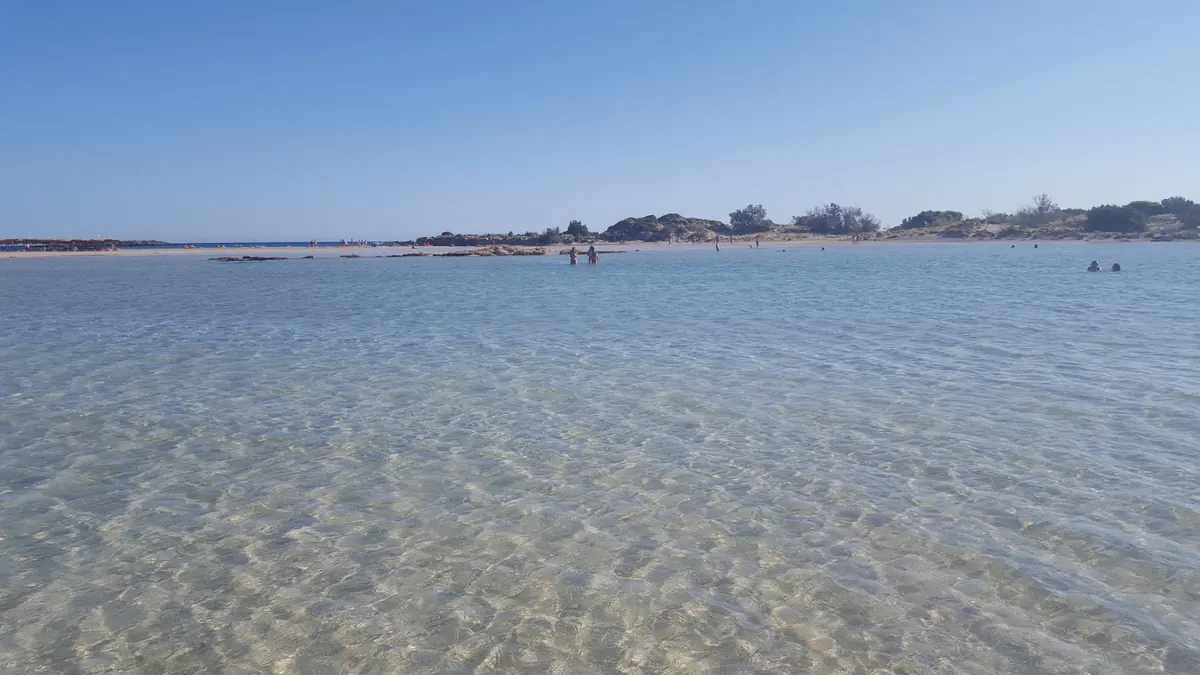
    Pink-toned sand and shallow water at Elafonissi Beach in southwest Crete
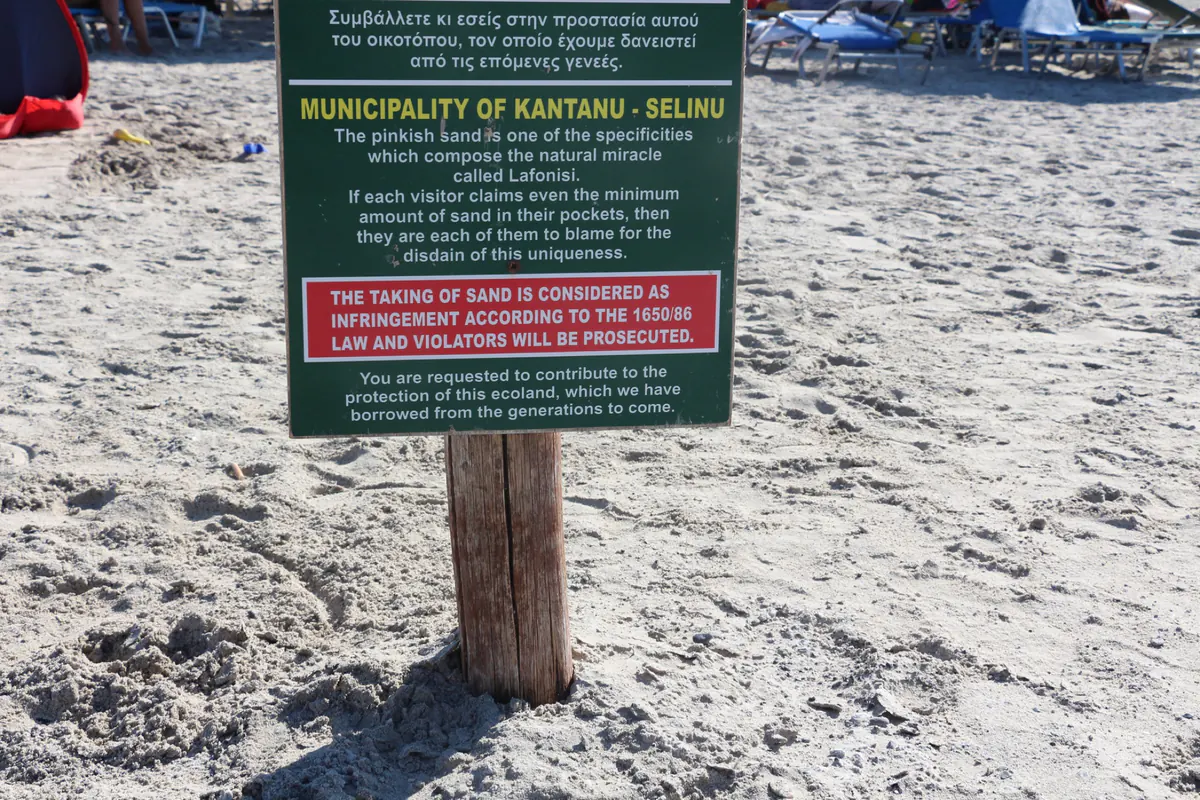
    Sign at Elafonissi Beach reminding visitors to leave protected sand in place
    Elafonissi's pink tones appear in pockets along a protected shallow-water landscape. Photos: Przemek Pietrak, CC BY-SA 3.0, via Wikimedia Commons.

    What to understand before going

    Plan from Chania or the western side of the island if possible. The road is slow enough that Elafonissi should own the day, especially in summer. KTEL Chania-Rethymno is the official bus operator to check for seasonal service and return times; use current operator pages over old timetable screenshots. The beach itself has a public-landscape rhythm without a museum-style hours or ticket frame, while parking, umbrellas, toilets, and food or drink services are seasonal and should be verified locally.

    What stays with you

    What stays is the scale of the shallows when the light is calm: water thin enough to walk through, sand that changes tone underfoot, and the reminder that the most famous part of the beach is also the part most easily damaged.

    What To See

    • The shallow lagoon, pale sand, and intermittent pink shell-fragment tones along the waterline.
    • The walkable sandbar or water crossing toward Elafonisi islet when sea and wind conditions allow.
    • The dunes, coastal vegetation, and restoration boundaries that make the place a protected landscape.
    • The way wind changes the day: exposed sand, rippled shallows, and less comfortable lagoon edges.

    Access And Transport

    Chania and the western Chania coast are the natural bases. From Rethymno, Heraklion, Agios Nikolaos, or Elounda, Elafonissi becomes a heavy driving day that needs its own road plan.

    A car gives the most control over arrival and departure. Public bus service should be checked with KTEL Chania-Rethymno for the current season, because past notices show Elafonisi service can run as a fixed seasonal route with limited return options.

    Hours, Fees, And Services

    Elafonissi is a public beach landscape with no verified official beach-entry fee for this update and no museum-style opening-hour frame.

    Parking, toilets, umbrellas, sunbeds, and food or drink services should be treated as seasonal and pressure-dependent. The fixed rule is conservation: stay off dunes and restoration areas, keep to permitted routes, and leave the sand where it is.

    When To Go

    May, June, September, and early October usually give the best balance of water, light, and manageable pressure. July and August can work with an early start, wind awareness, and acceptance of crowds.

    Strong wind changes the visit. The shallows can still look beautiful, but open sand and lagoon edges become less comfortable. Winter and early spring work as landscape visits, with facilities and swim conditions uncertain.

    Practical Questions

    When is Elafonissi Beach best?

    May, June, September, and early October are the best practical windows for most travelers. July and August need an early start and a plan that accepts crowd and heat pressure.

    Can you visit Elafonissi without a car?

    Sometimes, but only if the current KTEL Chania-Rethymno timetable fits the day. Treat bus service as seasonal and schedule-specific, then verify the return before leaving Chania.

    Is the pink sand guaranteed?

    The pink tones appear intermittently in streaks and pockets, shaped by light, sand movement, and conditions. The wider shallow-water landscape is the reliable reason to come.

    Is Elafonissi protected?

    Yes. NECCA lists the islet and coastal zone as Natura 2000 protected area GR4340002, a 271.75 ha Special Area of Conservation.

    Tickets & tours

    Elafonissi is a long drive from most bases; organized day trips from Chania and the west can be booked in advance through GetYourGuide.

    See Elafonissi day trips

    Some links here earn the guide a commission when you book through them, at no extra cost to you. They point only where our judgment already pointed—see our ethics.

    Editorial note

    This public landscape entry uses NECCA / OFYPEKA protected-area data, the Region of Crete Natura 2000 ecotourism guide, KTEL Chania-Rethymno timetable pages, and Commons image source checks. Seasonal services, parking, and bus times should be verified again before travel.

    Written by Kostis Kornaros.

    Sources and Current Checks