Rethymno Prefecture
Anogeia
What it is
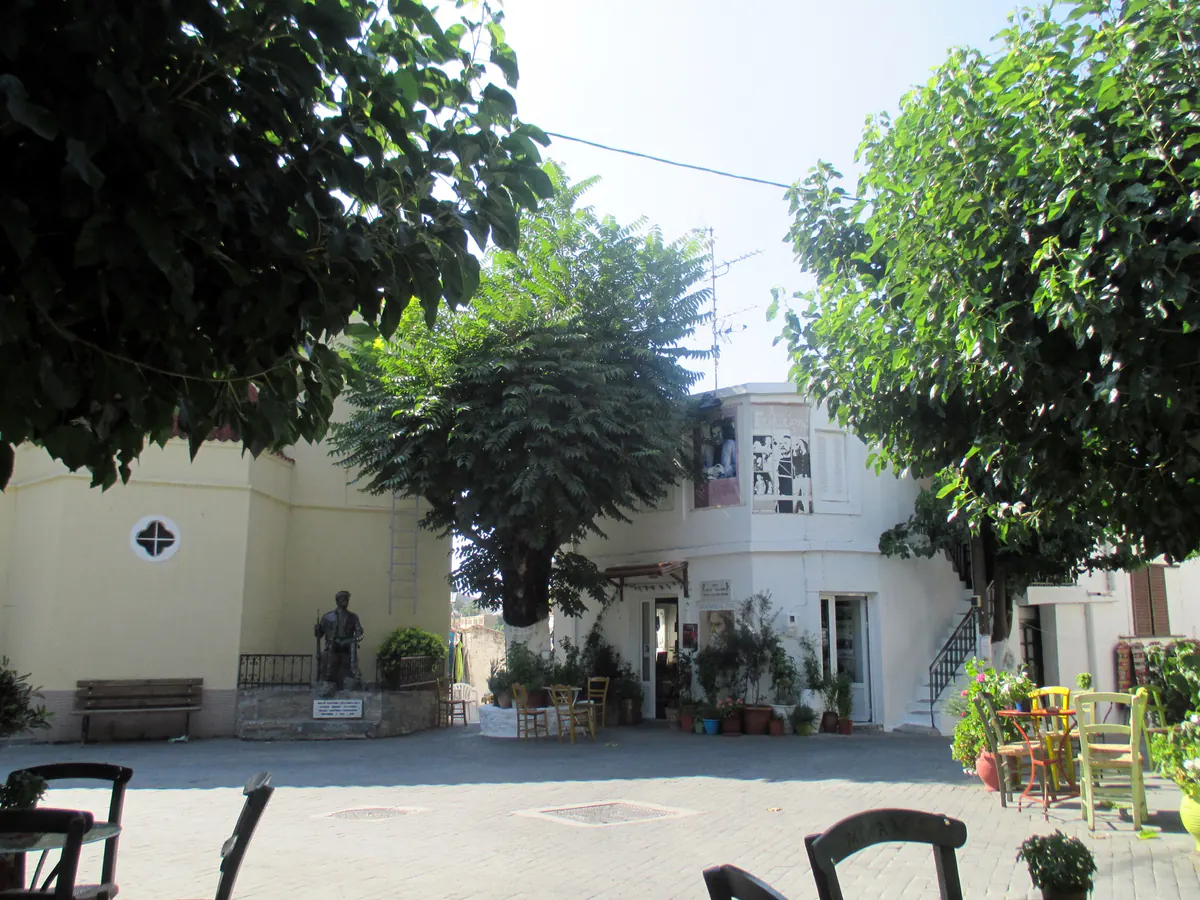
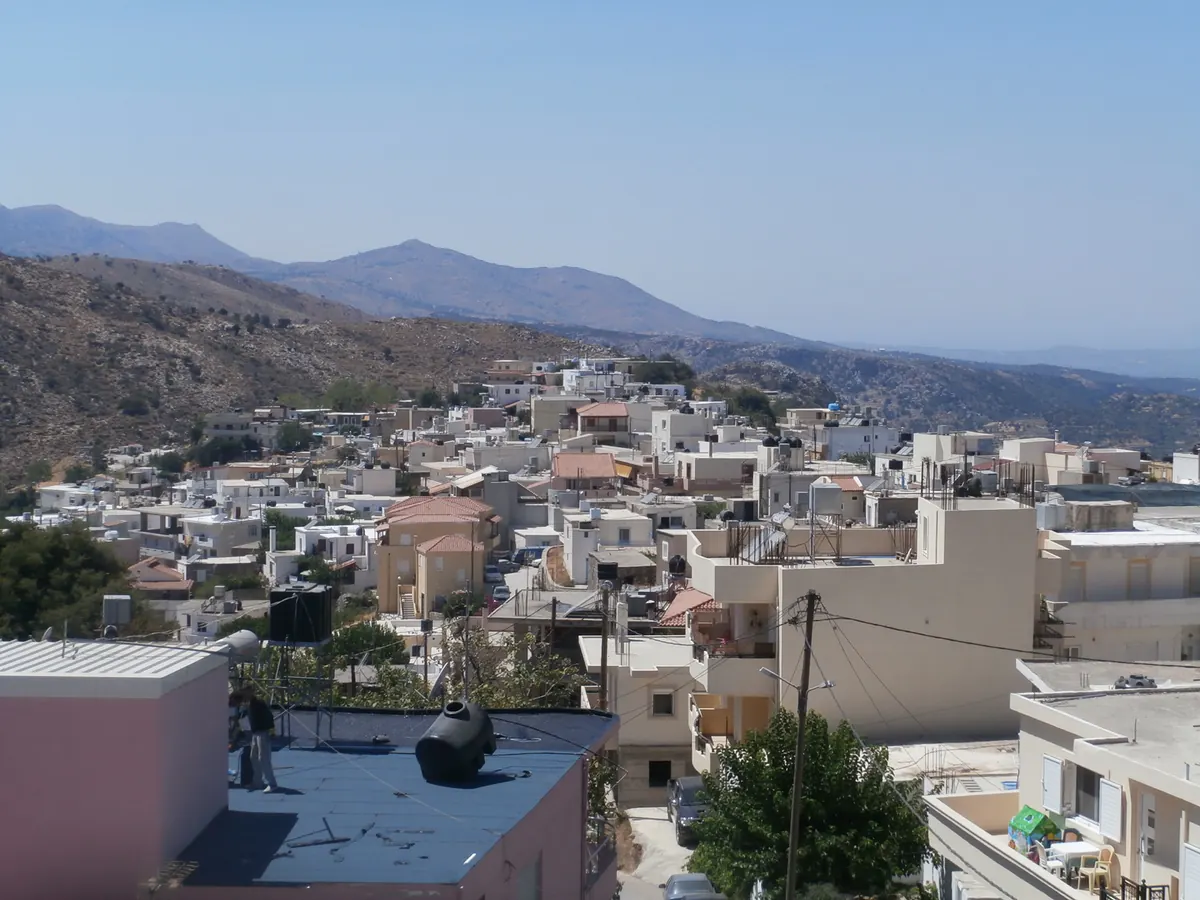
Anogeia is a mountain village on the northern side of Psiloritis, high enough that it feels like a different Crete from the coast. What you visit is the village itself: squares, stone lanes, its music, its wartime memory, and the road that continues toward Nida Plateau and Ideon Andron.
Why it matters
I chose Anogeia because it has been wiped out and rebuilt, and the record shows it. The village was destroyed during Ottoman-period uprisings and again in August 1944, when German forces razed it after resistance activity in the Psiloritis area. That history sits beside a living musical tradition associated with Nikos Xylouris and other Anogeian musicians. Culture here is tied to the place, to loss and rebuilding, and to mountain life. I'm the foreigner here, and this is a place where the foreigner should mostly listen.
What to understand before going
Plan Anogeia as a mountain visit. Driving from Heraklion or Rethymno is straightforward enough in good conditions, but the roads climb through inland villages and slow down near Psiloritis. Buses run from Heraklion and Rethymno, and Heraklion is usually the easier public-transport base; from Chania you will need to plan connections. The village itself has no entry fee or opening hours, but check any museum room, event, bus timetable, or onward trip to Nida Plateau and Ideon Andron before you go.
What stays with you
What stays with you is height and memory together: a village rebuilt more than once, still facing the mountain, with music, grief, and everyday life sharing the same streets.