Wine And Beer In Crete
The way into my three drinks guides: the island's own grapes, its wine country, and its local beer.
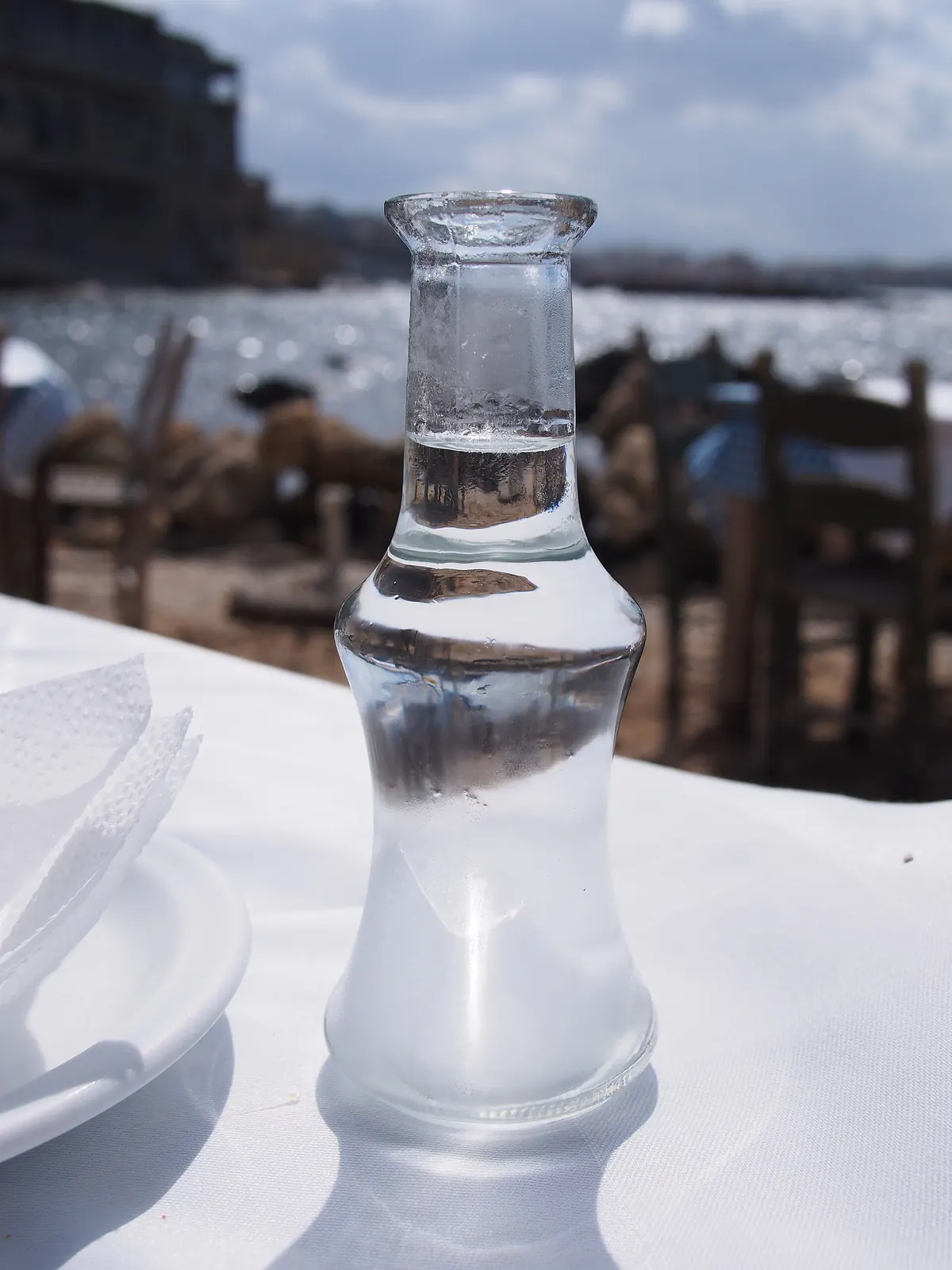
I don't lump Cretan wine and beer into one drinks checklist. Under Food they get three guides: one for the island's own grapes, one for local wines and planning winery visits, and one for Cretan beer.
This page stays in the Eating section because drinks belong to the table: what comes with lunch, what a taverna pours into a small carafe, how raki closes a meal, and when a local beer makes more sense than forcing a wine pairing. The details, the named producers, and the photographs are in the three Food pages below.
Food guide
Indigenous Cretan Wines
Vidiano, Vilana, Dafni, Plyto, Thrapsathiri, Kotsifali, Mandilari, Liatiko: the island's own grapes, and how to recognize them on a wine list.
Food guide
Local Wines And Wineries In Crete
Heraklion wine country, PDO and PGI logic, winery visits, international grapes grown locally, and how to plan a sane tasting day.
Food guide
Local Cretan Beers
Charma, Solo, Brink's / Rethymnian Brewery, smaller local labels, and where beer fits into the island's modern drinking rhythm.
Where Raki Fits
Raki, the island's clear spirit, belongs here rather than in a guide of its own, because it's less a drink to study than a habit of the table. It often arrives at the end of a meal with fruit or a small sweet, and the gesture matters as much as the glass. Be practical anyway: homemade doesn't mean gentle, and driving after a village meal is a real decision. My rule: whoever has the car keys gets the fruit.
How To Use The Split
I'd start with Indigenous Cretan Wines if you want to read labels and wine lists with some confidence. Go on to Local Wines And Wineries In Crete when you're choosing a base, booking a tasting, or wondering why Heraklion wine country matters. Use Local Cretan Beers for Charma, Solo, Brink's, smaller labels, and the easygoing north-coast habit of a local beer with meze.
For how the meal itself works, go back to How to Eat in Crete and Ingredients & Preparations. The Food pages explain what's in the glass; the Eating guides explain the table it sits on.
Editorial note
I combine firsthand observation with research from public and official sources. I check practical details against the sources listed on each guide where they are available, and my recommendations stay independent of paid promotion. For how I approach planning and selection, see my editorial manifesto.
Written by Leo Novak.