Food
Local Wines And Wineries In Crete
How Crete's wine country works: the regions, winery visits, PDO and PGI labels, and the producers you're most likely to meet.
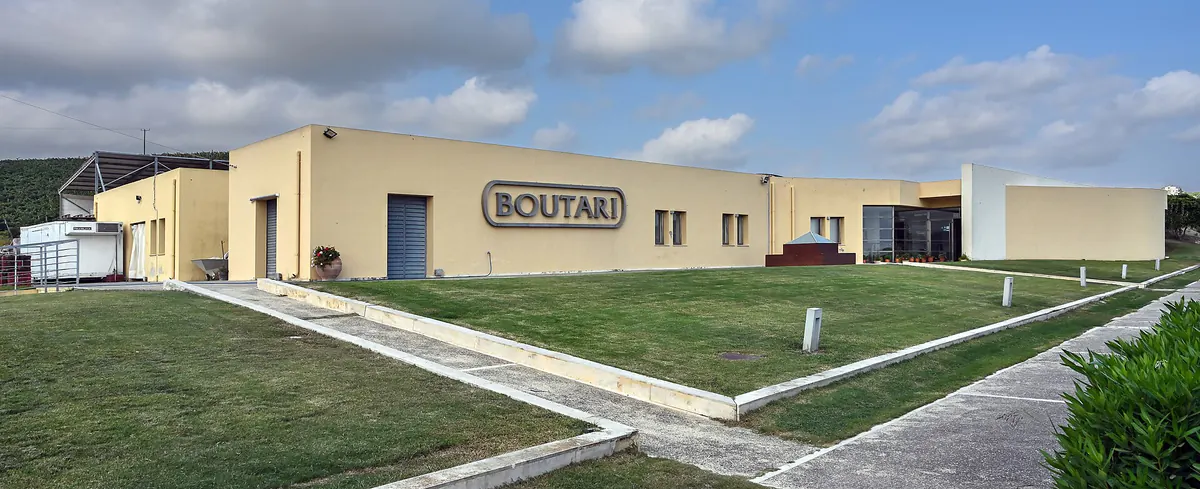
Image note: photograph of the Boutari winery near Skalani, Crete, by Cayambe, CC BY-SA 4.0, via Wikimedia Commons.
Crete's wine country isn't one neat trail. It's a mix of regions, village roads, producer stories, old grape areas, and modern winery visits, and it makes the most sense when you tie it to a real itinerary. Heraklion is the best starting point for many visitors, because wine fits easily beside Knossos, the archaeological museum, city restaurants, and a base in central Crete.
My first rule is practical: don't improvise winery visits in the middle of a hot, overfilled day. Book ahead, check opening hours, keep the driving realistic, and decide who isn't drinking before the tasting begins.
The Main Wine Geography
For visitors, Heraklion is the island's most concentrated wine region. Peza, Archanes, Dafnes, and the countryside around them are the heart of the island's wine. Peza and Archanes are closely tied to Kotsifali and Mandilari red blends. Dafnes is Liatiko country.
Sitia, in eastern Crete, is more remote but important, especially for Vilana, Liatiko, and serious producers who take their time rather than chase volume. Chania has its own wine culture, including Romeiko. Rethymno's scene is smaller, but it can matter if you're already based there.
PDO, PGI, And Producers
PDO wines are tied to specific areas and grapes. Peza, Archanes, Dafnes, Sitia, and Candia are the names to know before you get lost in labels. PGI Crete is broader and allows more flexibility, including blends of local and international varieties.
Around Heraklion, names that often come up include Lyrarakis, Douloufakis, Paterianakis, Alexakis, Digenakis, Miliarakis, Silva Daskalaki, Titakis, Diamantakis, and Stilianou. In Sitia and Lassithi, Domaine Economou and Toplou Monastery are important names. Around Chania, Manousakis, Dourakis, Karavitakis, and Anoskeli are useful names. Around Rethymno, smaller producers such as Klados can come into the picture.
I don't rank them without a separate Selection review. Use these names as a starting point, then check each visit before you go.
Producer Close-Up: Douloufakis Winery
Douloufakis is a family winery in Dafnes, Heraklion, now run by the third generation. It sits in one of Crete's key wine areas (Dafnes is Liatiko country) and has built its reputation on indigenous grapes handled with modern precision.
Two bottles are especially useful for visitors to recognize. Dafnios White is a single-varietal Vidiano: full, with stone fruit, the kind of white that makes sense with grilled fish, greens, and Cretan cheese. Dafnios Red is a single-varietal Liatiko from old bush vines: warm, spiced, lighter in color than many visitors expect, and one of the clearer introductions to what Liatiko can do on its own.
The winery also makes a Vilana, an Assyrtiko, and a red blend under other labels, but the Dafnios line is the name you're most likely to meet on restaurant lists and in bottle shops. The official site is douloufakis.wine.
International Grapes, Cretan Ground
Not every local Cretan wine uses indigenous grapes. Syrah in particular has become one of the island's most convincing international varieties. In the right hands it tastes Mediterranean rather than generic, with herbs, warmth, structure, and a clean, limestone-grown edge.
The question I care about isn't indigenous versus foreign as a moral test. It's whether the wine tastes as if it could have come from anywhere, or whether Crete has left its mark on it.
A Sensible Winery Day
From Heraklion, a good wine day can be simple: Knossos early if archaeology is part of the plan, a modest lunch, then one booked winery visit in the wine country around the city. Two visits can work if they're close together and the day is planned around them. Three is usually a spreadsheet, not a vacation, and I have made enough spreadsheets for one lifetime.
From Chania or Rethymno, don't force Heraklion wine country unless the route already makes sense. Use local wine bars, nearby producers, or a day built around a western winery instead. In high summer, shorten the plan again. Heat, alcohol, mountain roads, and unfamiliar driving are not a charming combination.
Visiting The Wineries
Cretan wineries are working farms, not walk-in shops. Several of the producers named here run visitor tastings, but they work by appointment and can fill up, close for harvest, or change hours with the season. The honest rule is the same for all of them: book your tasting ahead through the winery's own site or contact details, and confirm the day before you drive out. I don't publish fixed opening hours here because they change; the winery's own channels are the only reliable source.
Douloufakis, in Dafnes south of Heraklion, runs bookable estate and vineyard tastings. Reserve ahead via douloufakis.wine.
Lyrarakis, near Alagni in the Heraklion wine country, also welcomes visitors for tastings by reservation. Book a visit through lyrarakis.com.
Boutari operates the Fantaxometocho estate at Skalani, in the Archanes wine region south of Heraklion. Confirm whether estate tastings are running and book ahead directly through the producer at boutari.gr rather than assuming a drop-in visit.
For the other producers named above, look up the winery directly and email or call before you plan the day around a visit. If a producer has no visitor program, meet their wines on a good restaurant list instead.
My Position
Crete is a serious wine island, but not because every visitor needs a full wine itinerary. It matters because wine here is tied to farming, villages, food, and the island's newer confidence. Book carefully, drink local if you drink, and let the geography decide the day.
For the grapes behind the labels, start with Indigenous Cretan Wines.
Editorial note
I combine firsthand observation with research from public and official sources. I check practical details against the sources listed on each guide where they are available, and my recommendations stay independent of paid promotion. For how I approach planning and selection, see my editorial manifesto.
Written by Leo Novak.