Season
Crete in April
Spring before the summer rush: flowers, villages, Easter when it falls in April, a cool sea, and a quieter island where not everything is open yet.
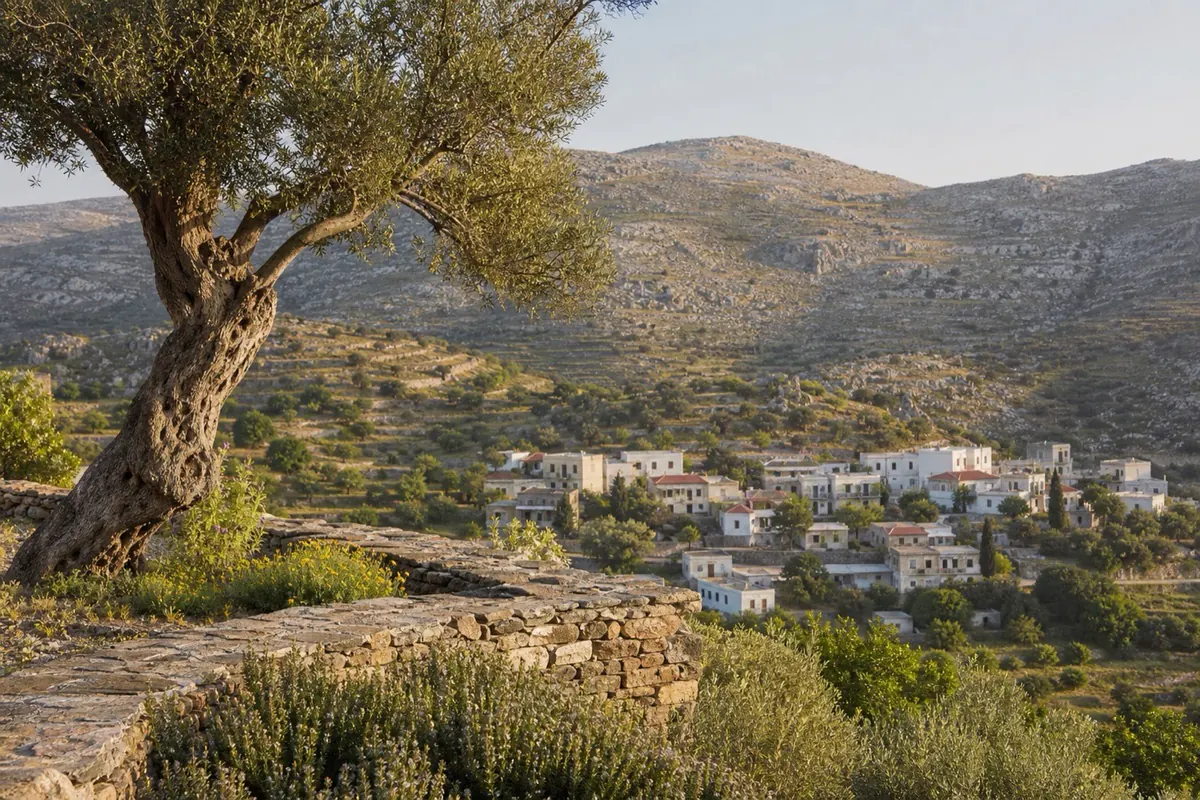
April isn't early summer in Crete. It's spring, and the difference matters. The island is greener, quieter, and more local; roadsides are full of flowers, the hills are still damp, and the old towns feel lived-in rather than set up for visitors. I'd read this beside how time works in Crete, because April runs on the island's calendar, not on a visitor's need for certainty.
What you gain is a greener, more local island. What you give up is predictability. A settled April day can be bright and generous; a windy or wet one can make beach plans look naive. Seasonal businesses may be half-awake, especially at the edges of the resorts, while ordinary towns, villages, churches, museums, and kitchens are already busy.
April decision map
Weather, water, and spring landscape
April weather can be mild, bright, unsettled, and occasionally wet. Pack layers; in April a swimsuit is a hope, not a plan. The landscape is the reason I'd pick the month: hillsides are green, the herbs are up, and the island hasn't yet dried out under the summer sun. For the plants and wildlife behind all that green, continue to Landscape, Herbs & Biology.
Swimming is possible only in the loose sense. Some visitors will get in the sea on a calm, warm day; many won't. The water hasn't stored any summer heat yet, and wind can make even beautiful beaches feel exposed. My April beach logic: walk, look, eat nearby if something good is open, and swim only if the day offers it without argument.
Easter and the social calendar
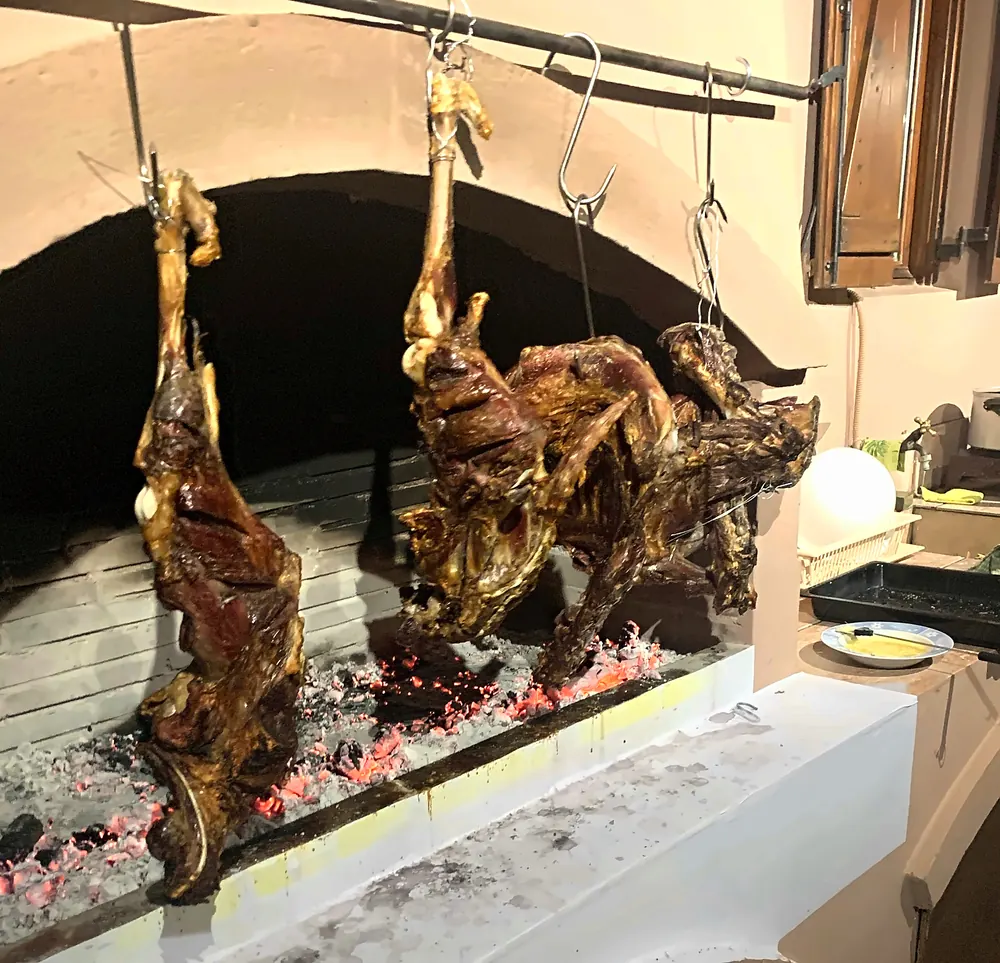
Greek Orthodox Easter often falls in April, though not every year. When it does, life on my wife's island moves toward churches, villages, family tables, candles, lamb, and Greeks traveling home. It can be one of the most moving times to be in Crete, but it isn't a festival put on for travelers. It's a family feast first.
The usual rules for rooms and restaurants change around Easter. Some places close so their owners can be with family, others fill up, and the villages matter more than the resorts. If Easter is the reason for your trip, plan around the date on purpose rather than adding it as color to an ordinary itinerary.
What is open
Chania, Rethymno, Heraklion, museums, archaeological sites, ordinary restaurants, bakeries, and everyday services don't wait for August. Build your April trip on them. The more a place depends on beach tourism alone, the less you can count on it.
Boat trips, beach clubs, resort facilities, remote tavernas, excursions, and some south-coast or resort-edge services may be partial, weather-led, or not yet operating. That doesn't make April a bad month; it makes the wrong kind of April plan a bad plan.
Where to base in April
I'd base myself in towns where people live all year. Chania gives you atmosphere and the west within reach. Rethymno is compact, easy to walk, and handy for getting around the middle of the island. Heraklion is best for Knossos, museums, food, wine country, and routes that can change when the weather does.
A remote beach base can be beautiful and wrong at the same time. If the weather turns, or little nearby is open, the trip shrinks more than it needs to. April works better when beaches are outings from a real town rather than the whole point of the stay.
Cars, buses, and movement
A car is worth more in April than in a standard summer beach week. It lets the day follow the weather and the light: a monastery in the morning, a village lunch, a road lined with flowers, a sheltered coast if the wind allows, and back before the mountain roads turn cold.
Car-free travel can still work from Chania, Rethymno, or Heraklion, but keep it town-based and realistic. Don't assume summer bus frequency, plenty of excursions, or easy access to remote beaches unless it's confirmed for your exact date.
What April is good for, and bad for
Good for
- Travelers who want Crete before the heat and the high-season crowds arrive.
- Old towns, museums, archaeological sites, monasteries, and village meals without summer pressure.
- Spring roads: flowers, green hills, herbs, inland landscapes, and slower movement.
- People who can treat swimming as a bonus rather than the contract of the trip.
Bad for
- A beach-first vacation that needs a warm sea and reliable beach services.
- Travelers expecting every boat, beach taverna, resort facility, and excursion to be operating.
- Rigid itineraries built around remote coasts without confirmed transport or weather alternatives.
- Anyone who will read a cloudy day or cool evening as a failed Crete trip.
My position
To me, April is one of the best months for getting to know Crete and one of the weaker ones for a beach vacation. That isn't a flaw. It's the point.
Come for spring, not for an early summer. Planned that way, April gives you an island that peak season hides.
Practical questions
Is April a good time to visit Crete?
Yes, for spring landscapes, villages, towns, archaeology, food, monasteries, and Easter when the dates line up. It's not the month I'd pick for a guaranteed beach vacation.
Can you swim in Crete in April?
Sometimes, but the sea is usually cool and depends on the weather. I'd treat a swim as a bonus on a settled day, not something to build the trip around.
Is everything open in Crete in April?
Mostly. Main towns, museums, archaeological sites, and ordinary restaurants are open. Beach businesses, boat trips, resort services, and some excursions may still be running partly or not at all.
Do you need a car in Crete in April?
Not always, but in April I'd want one for spring landscapes, villages, monasteries, inland meals, and the freedom to plan around the weather.
Editorial note
I combine firsthand observation with research from public and official sources. I check practical details against the sources listed on each guide where they are available, and my recommendations stay independent of paid promotion. For how I approach planning and selection, see my editorial manifesto.
Written by Leo Novak.
Related reads
The Guide 2026
My guide for this year: where to go, how to get around, and what’s worth knowing before you do.
Explore the guide