Skip to content

    Rethymno Prefecture

    Mili Gorge

    What it is

    Mili Gorge is a short, shaded ravine south of Rethymno where the old mill settlement still explains why the place matters. The core walk follows running water past abandoned village remains, watermills, chapels, small falls, and plane trees.

    Why it matters

    The gorge makes a compact pre-industrial landscape visible. The old village of Mili, also written Myli, grew around mills that ground grain for Rethymno and nearby settlements. One watermill has been restored, while the remaining mill structures and village fabric show how water shaped work here.
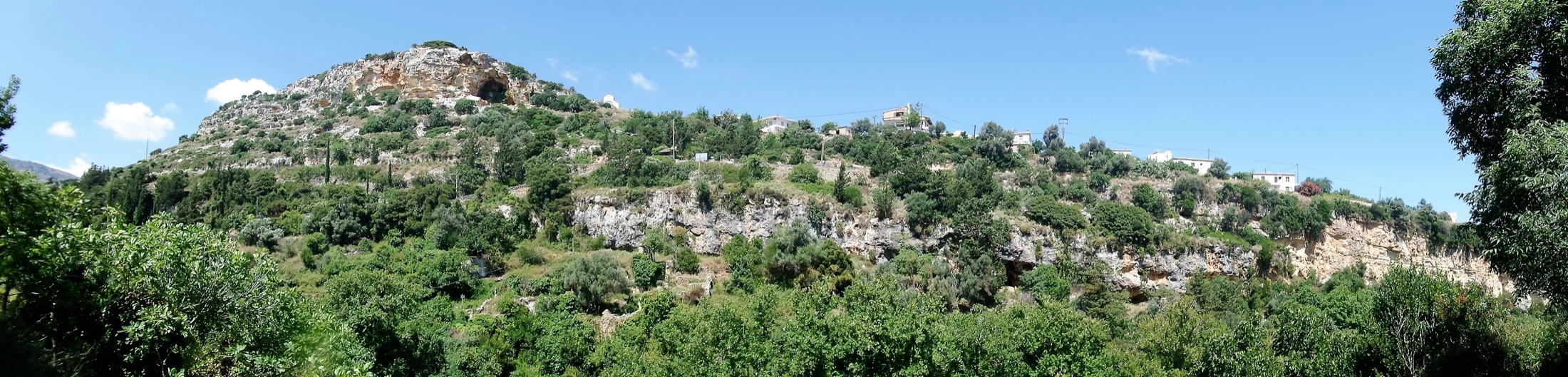
    Panoramic view across the green Mili Gorge and surrounding hillside near Rethymno, Crete
    A panoramic view across Mili Gorge and the surrounding hillside near Rethymno. Photo: Xxlstier, CC BY-SA 4.0, via Wikimedia Commons.

    What to understand before going

    The useful visit is a simple gorge-floor walk, with the return decided before setting out. Rethymno's municipal tourism listing gives a 2.5 km route, about 1.5 hours, and easy difficulty; independent walking guides give the same 2.5 km but nearer 2.5 hours. Budget for the longer figure, and add more for a higher start, a loop, or a return on foot.

    What stays with you

    What stays with you is the relation between water and settlement: a narrow green ravine, the stream moving through it, and the remains of mills and chapels close enough to read during a short countryside walk.

    What You See

    The gorge takes its name from Mili, the abandoned mill village along the watercourse. Rethymno's municipal tourism page records old miller settlement remains, a restored watermill, running water, small waterfalls and ponds, and the plane-tree shade that gives the route its character.

    Look for the relationship between the stream and the surviving structures: watermill remains, village fabric, chapels, stone paths, and crossings through the ravine. The place makes sense through water, work, and its shaded countryside setting.

    Choose The Route

    For most visitors, Mili is a short half-day walk from Rethymno. The municipal listing gives 2.5 km, an estimated 1.5 hours, and easy difficulty for the core route; independent walking guides agree on the distance but put the time closer to 2.5 hours.

    Distance changes when walkers start higher, continue beyond the core gorge, return on foot, or combine the path with a longer countryside loop. Decide whether the day is one-way or out-and-back before leaving the entrance.

    Access From Rethymno

    The ravine runs between two inland villages: it begins just north of Chromonastiri and comes out to the south of Xiro Chorio, the Rethymno-facing end. Drivers approach from Rethymno through the inland village roads.

    A taxi from Rethymno is practical, especially for a one-way walk with a planned pickup. Any seasonal tourist-bus option needs a current operator timetable and confirmed return arrangement for the exact date.

    Use the Rethymno base guide to keep this short inland walk inside a realistic regional day.

    Hours, Fee, And Conditions

    The gorge walk has no ticket office, no fixed opening hours, and no admission fee in any official listing. Treat it as open countryside access, limited by weather and daylight.

    Avoid the gorge after heavy rain, do not enter late in the day, and expect uneven stone, damp ground, and shaded sections that can stay slippery. Wear proper walking shoes and carry water.

    When To Go

    May is the strongest all-round month: green, shaded, and usually warm without full summer heat. September and October restore comfortable walking temperatures, although stream levels may be lower.

    March and April can be cool and green but may bring muddy or wet crossings. From June through August, start early and leave before the heat builds. In winter, use settled dry weather and skip the gorge after rain or during high water.

    History In The Landscape

    The old settlement is best introduced through water and work. The municipal account says its residents were mainly millers and that grain from Rethymno and surrounding villages was once ground here.

    Around thirty watermills once worked the stream through the ravine. One has been restored well enough to show how the mechanism ran; the rest survive as ruins standing among the village fabric, which is what makes Mili a readable working-landscape record rather than a scenic ravine alone.

    Practical Questions

    Is Mili Gorge easy?

    Yes, Mili Gorge is usually treated as one of the easier Rethymno gorge walks, but it still has uneven, damp, and stony ground. Wear walking shoes and avoid it after heavy rain.

    How long does Mili Gorge take?

    The Rethymno municipal tourism listing gives about 1.5 hours for a 2.5 km route, while independent walking guides put the same distance nearer 2.5 hours. Budget for the longer figure, and more again if you walk back.

    Can you visit Mili Gorge without a car?

    Yes, a taxi from Rethymno can make sense, especially if you want a one-way walk. Any seasonal tourist-bus option should be checked with the operator before relying on it.

    Is there an entrance fee for Mili Gorge?

    No. There is no ticketed entrance or fixed admission fee in any official listing for the gorge. Treat it as open countryside access governed by daylight and weather.

    When is the best time to walk Mili Gorge?

    May and September-October are the cleanest windows. Summer can work with an early start, while winter visits should be avoided after rain or during high water.

    Editorial note

    Checked on 2026-07-25. This public-landscape entry uses the official Rethymno municipal tourism page for route, access, mill-settlement, water, duration, distance, and difficulty details, cross-checked against an independent walking source for the village positions, walking time, and mill count, plus a verified actual-place Commons panorama. Weather, surfaces, and any transport option should be checked again before the walk.

    Written by Kostis Kornaros.

    Sources and Current Checks