Knossos
The main Minoan palace, and the first site I’d read up on
History in Crete is easiest to read through both the short historical arc and the places where it becomes visible: Knossos, monasteries, old towns, and layered base guides.
This page is a map, not the story. The period-by-period story is in A Short History That Matters; my job here is to link it to the places where you can see that history on your trip.
Use the short history for the whole sweep: Minoan, Byzantine, Venetian, Ottoman, modern autonomy, war, and postwar development. Use this page to find the sites, monasteries, old towns, and Selection entries where you can actually see those layers.
Read the short history before you visit individual sites. It keeps the periods in order and explains which of them still shape Crete today. If you read one page before Knossos, make it that one.
On Crete the past isn’t just dug up and put behind glass. People live on it, build over it, and walk past it on the way to the bakery.
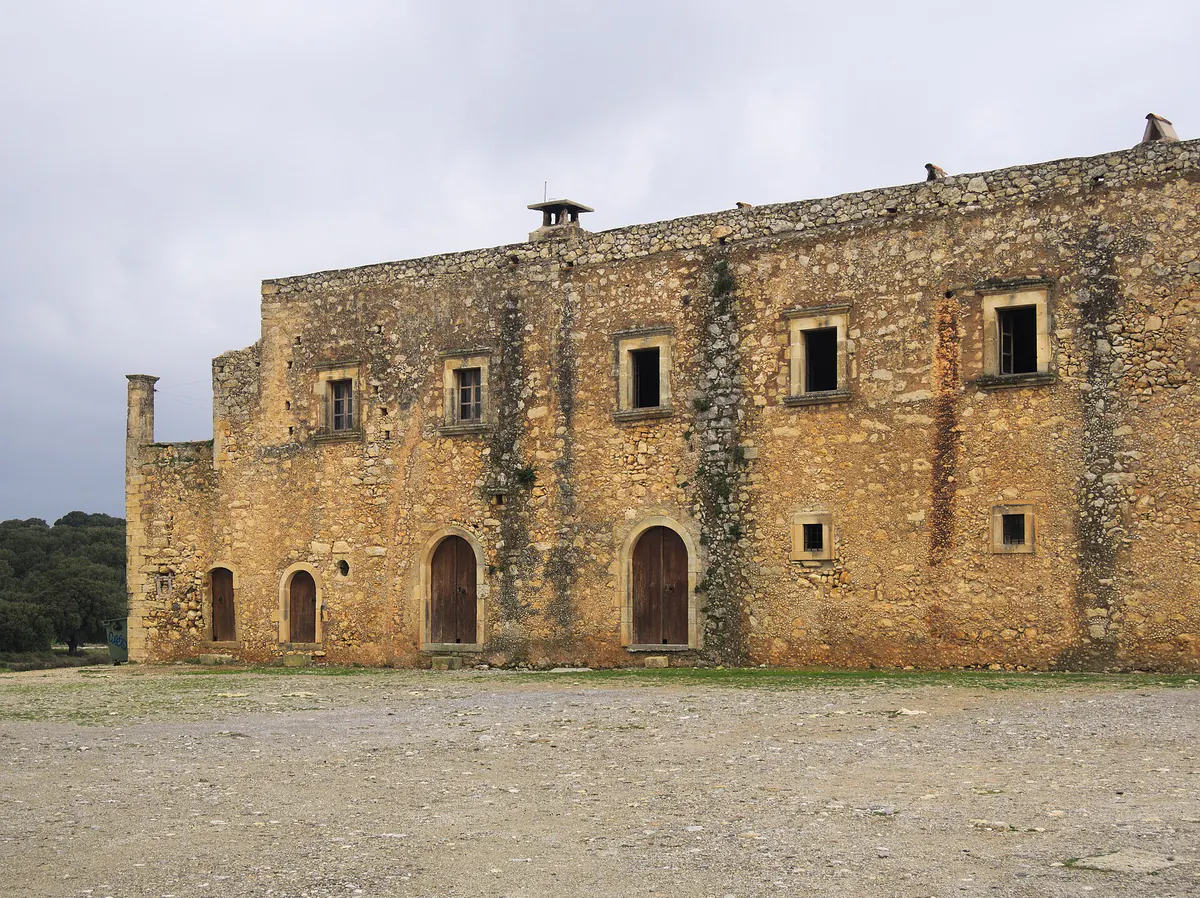
Then go to the places: Knossos for the Minoan layer, Agios Georgios Selinari for a monastery set into a gorge, and the old towns of Chania, Rethymno, beginning with its Fortezza, and Heraklion for the Venetian, Ottoman, archaeological, and modern layers.
Put simply: this page helps you choose what to read; A Short History is the main history article; the Selection and place guides show you where to go and see it.
The mistake I want to spare you is treating Knossos, Venetian harbors, monasteries, and places of war memory as separate boxes to tick. They’re one story.
Essential Sites
Knossos
The main Minoan palace, and the first site I’d read up on
A Short History
The period-by-period article that tells the main story
Old Towns
Chania, Rethymno, and Heraklion, where Venetian, Ottoman, and modern layers sit side by side
Monasteries and Gorges
Places of faith, refuge, and resistance out in the hills and gorges
I combine firsthand observation with research from public and official sources. I check practical details against the sources listed on each guide where they are available, and my recommendations stay independent of paid promotion. For how I approach planning and selection, see my editorial manifesto.
Written by Leo Novak.