Beach season
Crete Beaches By Month: Where The Coast Works Best
Crete's beach season is long, but it changes every month. Use month, base, wind, heat, and access to choose the coast that fits the day.
Crete makes beach planning look simpler than it is. The island has famous lagoons, palm-backed bays, south-coast villages, town beaches, and small coves that only make sense if you're staying nearby.
May and October ask for flexibility. June and September suit almost everyone. July and August demand early starts, short drives home, and more respect for heat and wind than most first itineraries allow for.
Think of this page as the calendar view. For my shortlist of beaches, read Best Beaches in Crete. For the wider calendar, read Best Time to Visit Crete.
Quick answer
For most travelers, June and September are Crete's best beach months. The sea is swimmable, things are open, famous beaches are easier than in peak summer, and the day still has room for towns, villages, gorges, and archaeology.
July and August are true beach months with stricter rules: early departures, shade, water, realistic hopes about parking, and a backup beach for when wind or crowds change the plan. May and October suit mixed trips, with swimming a good chance rather than a guarantee.
Month-by-month beach map
| Month | Beach verdict | Which coast | Watch point |
|---|---|---|---|
| April | Scenery first | Town seafronts, lowland walks, sheltered pauses | Cool sea and partial services |
| May | Early swim window | Sheltered coves, west or south day trips, town beaches | Wind and cool water can decide the day |
| June | Best all-round | West icons, south coast, north town beaches | Late June begins to feel like high season |
| July | Full summer | Base-near beaches and carefully timed famous beaches | Heat, parking, road fatigue, meltemi days |
| August | Peak summer | Short-radius beaches and morning-first days | Crowds, heat, and boat demand |
| September | Best balance | Almost all coasts for mixed beach and culture trips | Late-month schedules need checking |
| October | Flexible late season | South and east chances, town bases, weather-led days | Rain, wind, and thinning services |
| November-March | For the views | Walks, seafronts, photography, off-season towns | Avoid a swim-first itinerary |
May: the first swim window
May is the first month when beaches start to belong in the plan, but the best May trip is still a mixed one. Pair beach tries with archaeology, towns, lowland walks, and villages, so a windy or cool day doesn't sink the trip.
Skip beaches that need heroic logistics. From Chania, Elafonissi or another west-coast beach can work on a settled day. From Rethymno or Heraklion, a closer beach saves the rest of the day. From eastern Lasithi, Vai and the Sitia side make sense when the trip is already in the east.
Read the full Crete in May guide for weather, openings, and wider trip structure.
June: the cleanest all-round month
June gives you warmer water by the week, places open, long days, and less pressure than August. Early June is gentler; late June brings more reliable beach days and a clear climb toward high season.
This is the month for Balos, Elafonissi, south-coast bases, town beaches, and eastern Crete without every day turning into a transport puzzle. Famous beaches still deserve an early start.
Use Crete in June for the complete month guide.
July and August: full summer, smaller radius
July asks for beaches early, shade at midday, shorter drives, and fewer inland plans after the morning. Balos, Elafonissi, and Vai are still good options when your base and departure time make the day work.
August has warm water and the least room for improvising. Choose a base with good beaches nearby, save the famous places for a few early mornings, and keep the afternoons small. Chania works for the west; Heraklion works for the center and the Messara; eastern Lasithi works for Vai and the eastern bays.
Compare Crete in July with Crete in August before fixing the base and driving radius.
September and October: warm balance, then flexibility
If I had to pick one beach month, it would be September. The sea holds its summer warmth, the crowds start to thin, and beach days can pair with gorges, towns, and archaeology again. Early September still feels a lot like August; late September needs fresh checks on weather and what's still running.
Early October can still give good swimming after settled weather. Staying in a town keeps the trip on track as beach services and transport thin out. South and east coasts can pay off on a clear day, but keep the plan ready for towns, archaeology, villages, and long lunches.
Read Crete in September and Crete in October for full planning.
Which coast works when
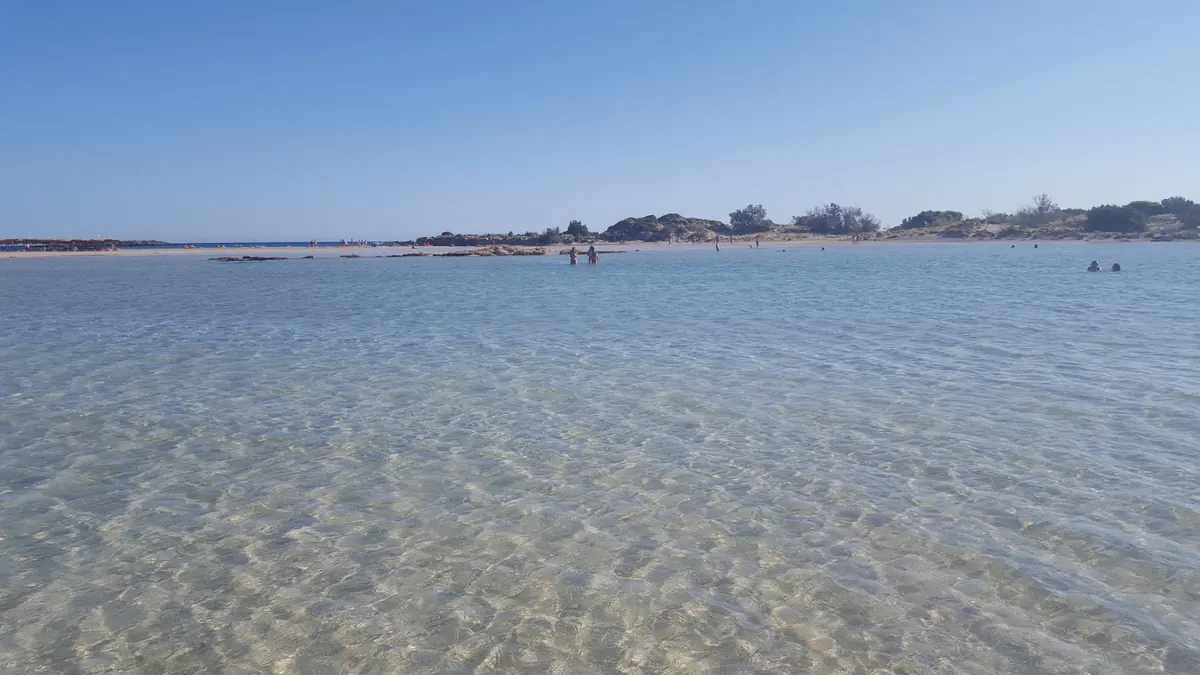
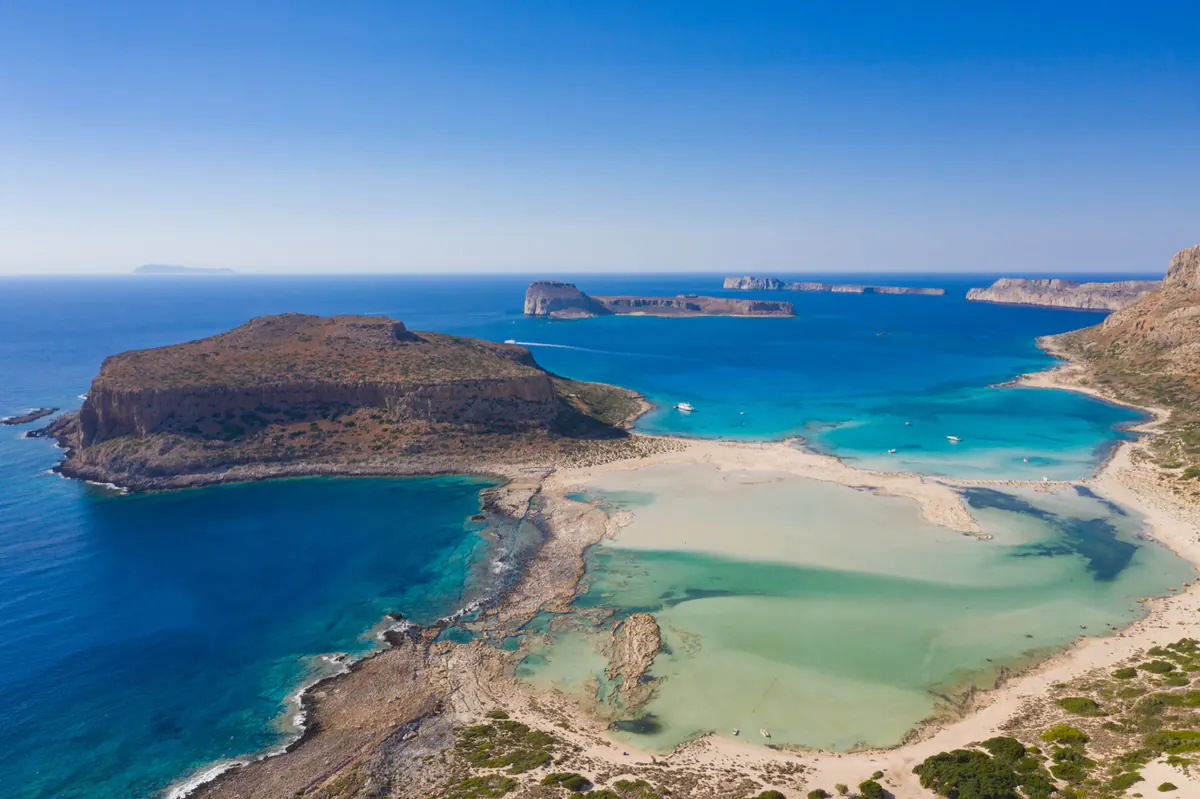
West Crete works from Chania, Kissamos, or a proper base on the west coast. Balos, Falasarna, and Elafonissi are wonderful days from the right base and hard work from the wrong one. Use the Balos access guide and, for Elafonissi, the Elafonissi day plan from Chania, which carries the seasonal bus times and the distance the map hides.
The south coast rewards you if you'll trade distance for scenery. Paleochora, Sougia, Agia Roumeli, Loutro, Chora Sfakion, Plakias, Preveli, and Matala belong to different road, bus, boat, and ferry systems; current timetables matter. Use South Coast Crete Bases to compare Paleochora, Plakias, and Matala before choosing the base, then use Inter-Crete ferries and south-coast boats for the seasonal boat network.
The north coast is for shorter days. Chania, Rethymno, Heraklion, Agios Nikolaos, and Sitia have beaches or seafronts where you can fit in a swim without giving up the whole day.
The east makes sense once your trip has already moved east. Vai, Sitia, Palaikastro, Itanos, and the Lasithi shore belong to eastern bases.
Wind and car-free planning
Summer Etesian winds are most frequent in July and August. In practice, keep options near your base: north and south, exposed beach and sheltered cove, long day and short swim. A beach plan fixed weeks ahead can't read the morning's wind, and neither could any five-year plan I ever helped write.
Car-free beach days depend on your exact base, the current KTEL timetables, return times, and which seasonal ferries are running. Chania to selected western beaches, Kissamos boat access for Balos, Heraklion to Matala, and south-coast ferries can work when the live schedule gets you all the way back.
Use Crete Without a Car before relying on a bus or boat day.
Practical questions
What is the best month for beaches in Crete?
June and September, for most people. They usually bring a swimmable sea, open services, fewer crowds than August, and weather comfortable enough for towns, sites, and getting around.
Can you swim in Crete in May?
Often, yes, especially on calm, settled days, but I'd keep May swims flexible. The sea can still feel cool, and wind can make a beach day less appealing.
Can you swim in Crete in October?
Often, yes, in early October, especially after warm, settled weather. Later in the month is less reliable, so I'd plan towns and archaeology first and treat beach days as a reward from the weather.
Are July and August good for Crete beaches?
Yes, but they need a plan. Start early, keep drives realistic, plan for shade and water, and don't make every beach day depend on a famous beach far away.
Which side of Crete has the best beaches?
It depends on the month, your base, the wind, and transport. The west has the most famous lagoon beaches, the south coast has bigger landscapes and quieter bases, and the east has Vai and the Sitia-side beaches.
Sources checked
I checked these on 2026-07-13. Timetables, seasonal boats, site access, and weather can change; verify live official pages for the travel date.
- ANENDYK official south-coast routes
- ANENDYK questions on ferry and bus coordination
- KTEL Chania-Rethymno timetable search
- KTEL Heraklio-Lasithi timetables
- Ministry of Culture, Roman cemetery at Matala
- EUMETSAT-hosted study of Crete and the Etesian winds
- Wikimedia Commons, Elafonissi image source
- Wikimedia Commons, Balos image source
Editorial note
I combine firsthand observation with research from public and official sources. I check practical details against the sources listed on each guide where they are available, and my recommendations stay independent of paid promotion. For how I approach planning and selection, see my editorial manifesto.
Written by Leo Novak.
Related reads
The Guide 2026
My guide for this year: where to go, how to get around, and what’s worth knowing before you do.
Explore the guide